Rose Street Advisors Rose Street Advisors
Firm
About UsOur TeamM Financial GroupEducation LibraryCommunity SupportTestimonials
Benefits
Employee Benefit ServicesBenefits FAQBenefits University Blog
HR Consulting
HR Consulting ServicesHR BlogRose Street Recruits
Life Insurance
Life Insurance ServicesLife Happens BlogLife Insurance Vlog
Employer Retirement Plans
Retirement ServicesFiduciary Fitness ProgramGuide to Retirement BlogRetirement Plans FAQ
Wealth Management
Wealth Management ServicesInvestED BlogWealth Management FAQs
Get In Touch
Firm
About UsOur TeamM Financial GroupEducation LibraryCommunity SupportTestimonials
Benefits
Employee Benefit ServicesBenefits FAQBenefits University Blog
HR Consulting
HR Consulting ServicesHR BlogRose Street Recruits
Life Insurance
Life Insurance ServicesLife Happens BlogLife Insurance Vlog
Employer Retirement Plans
Retirement ServicesFiduciary Fitness ProgramGuide to Retirement BlogRetirement Plans FAQ
Wealth Management
Wealth Management ServicesInvestED BlogWealth Management FAQs
Get In Touch

When most people think about financial planning, they picture investments, returns, or picking the “right” funds in their retirement plan.

But meaningful financial progress doesn’t start there.

It starts with you; your values, your goals, and what truly matters in your life.

Financial life planning is not about chasing performance. It’s about building a thoughtful, coordinated process that aligns every part of your financial life with the life you want to live.

  1. 1. Start With What Matters Most

Before any numbers or strategies come into play, take a step back and reflect:

  • What does a fulfilling life look like to me?
  • What are my top priorities. Now and in the future?
  • What does retirement mean beyond just “not working”?

For some, it’s freedom and flexibility. For others, it’s security, family, or the ability to give back.

Your financial plan should reflect these answers. Not someone else’s definition of success.

Clarity here drives every decision that follows.

  1. 2. Build Around Your Goals. Not Just Your Accounts

Once your priorities are clear, your financial strategy should begin to take shape. This is where a true planning process comes into focus.

It’s not just about your workplace retirement plan.   It’s about how all the pieces of your financial life work together, including:

  • Retirement income planning – How your savings turn into a reliable paycheck in retirement
  • Asset location – Placing investments in the right types of accounts (tax-deferred, Roth, taxable)
  • Tax planning – Being thoughtful about how and when income is recognized
  • Insurance planning – Protecting against risks that could derail your progress
  • Estate and legal planning – Ensuring your wishes are carried out and your family is supported

Each of these areas plays a role. When coordinated well, they create a more complete and resilient plan.

  1. 3. Focus on What You Can Control

A disciplined approach emphasizes the factors you can actually influence:

  • Saving consistently
  • Keeping costs low
  • Maintaining appropriate diversification
  • Staying invested through market cycles

Markets will move and sometimes unpredictably. A sound plan doesn’t try to outguess those movements. Instead, it’s built to endure them.

This is where process matters more than prediction.

  1. 4. Invest With Purpose

Your investment strategy should reflect your goals, time horizon, and comfort with risk. Not short-term headlines.

That means:

  • Avoiding emotional decisions during market volatility
  • Maintaining a diversified portfolio aligned with your plan
  • Understanding that risk and return are connected

The goal isn’t to eliminate risk, it’s to take the right amount of risk for your situation so you can stay on track.

  1. 5. Revisit and Adjust Over Time

Life changes and your plan should, too.

As your career evolves, your family grows, or retirement gets closer, your priorities may shift. Regular check-ins help ensure your strategy continues to align with what matters most.

Think of financial planning as an ongoing relationship with your future and not a one-time event.

A Real-Life Example

Consider Laura, a 42-year-old employee participating in her company’s retirement plan.

At first, Laura focused only on her 401(k), contributing enough to get the match and choosing a few funds she felt comfortable with. But she wasn’t sure if she was truly on track.

When she stepped back and went through a financial life planning process, a few important things became clear:

  • Her top priority wasn’t early retirement. It was flexibility in her late 50s to scale back work and spend more time with family.
  • She realized most of her savings were in pre-tax accounts, so she began adding Roth contributions to improve future tax flexibility.
  • She updated her beneficiaries and estate documents, something she hadn’t revisited in years.
  • She reviewed her insurance coverage to ensure her family would be protected if something unexpected happened.
  • And importantly, she began thinking about how her savings would translate into retirement income, not just an account balance.

Nothing about Laura’s situation required a drastic change. Instead, small, thoughtful adjustments, aligned with what mattered most to her, helped create a clearer, more confident path forward.

Bringing It All Together

Financial life planning is about connecting the dots.

It’s aligning your:

  • Goals
  • Investments
  • Income
  • Taxes
  • Protection strategies
  • Legacy wishes

…into one cohesive plan designed around you.

When each piece is working together, decisions become clearer and more intentional.

Final Thought

You don’t need to have everything figured out today.

Start with what matters most. Build a process around it. Stay consistent.

Over time, those thoughtful decisions can turn into something much more meaningful than just financial progress.  They can support a life that truly reflects who you are and what you value.

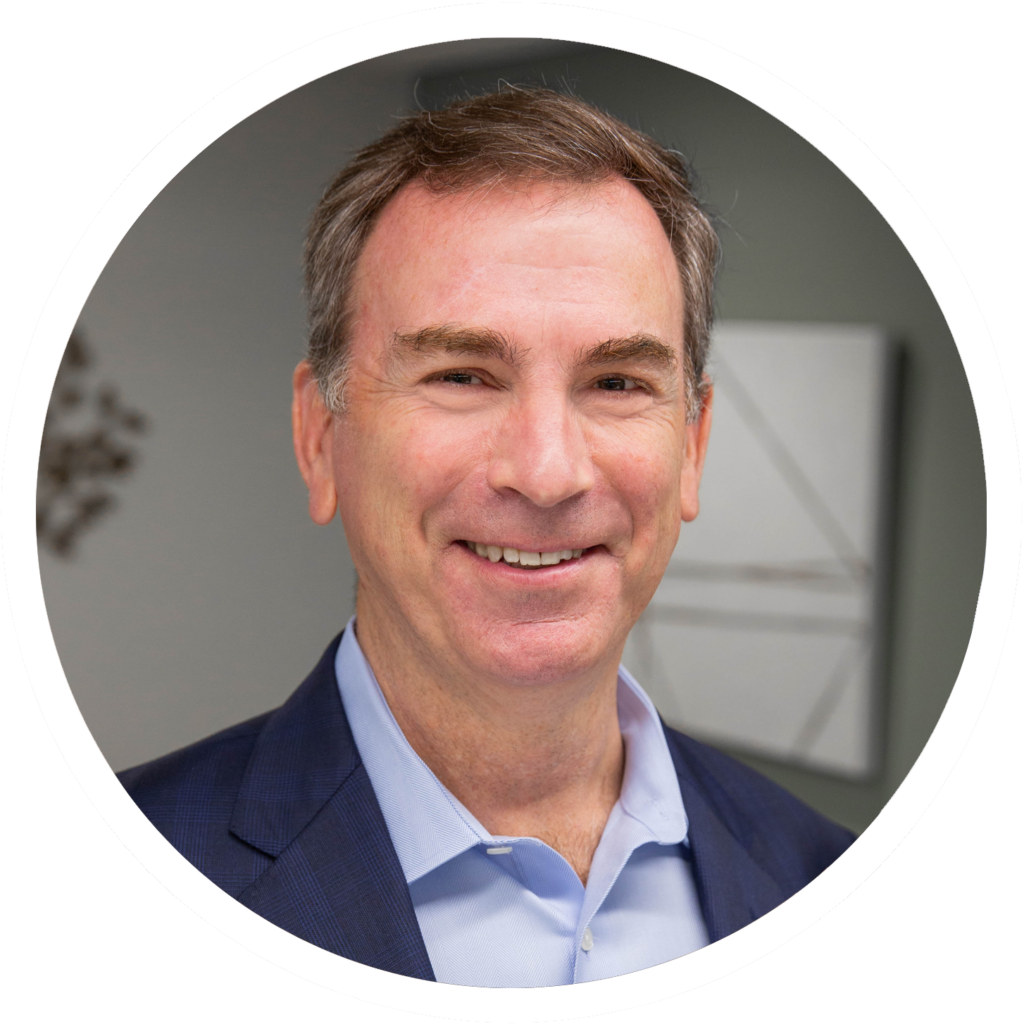
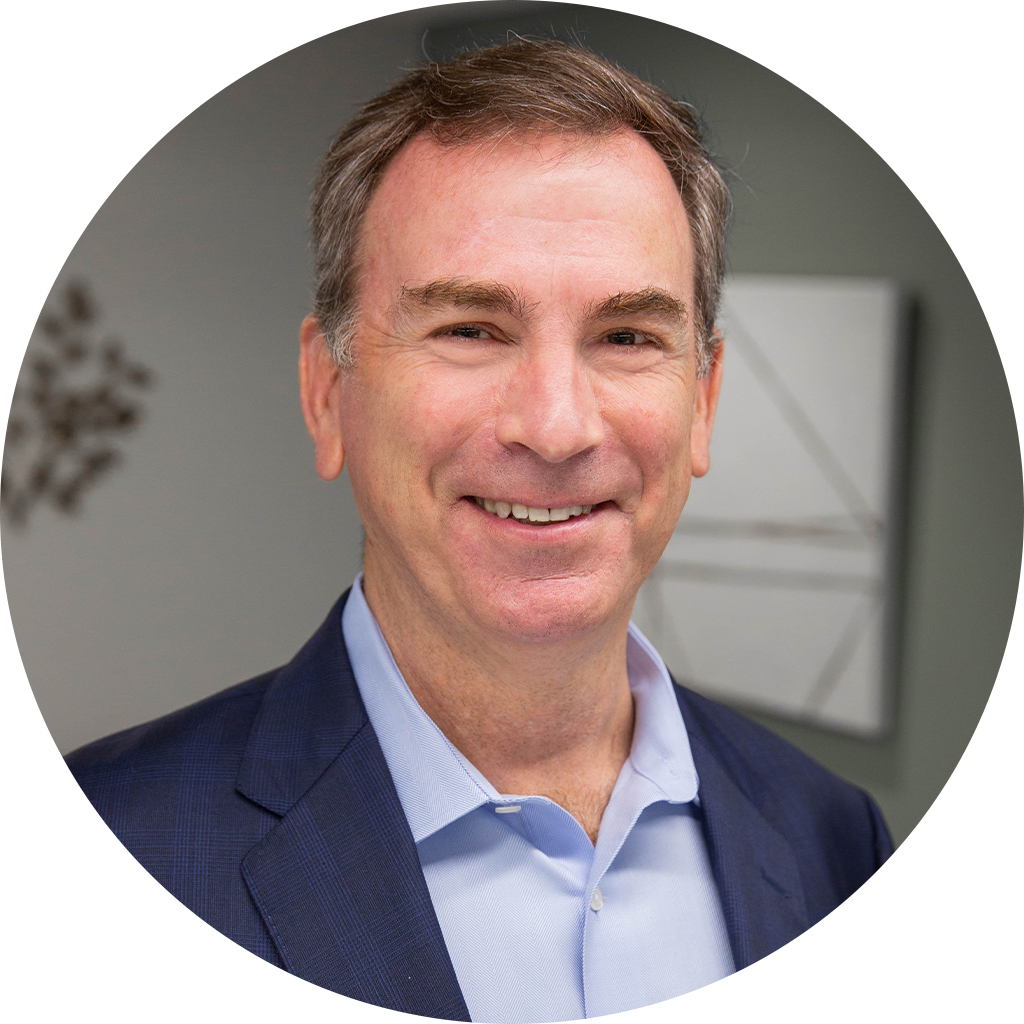
Scott Higgins | AIF ®, CFP®, CPFA®, NSSA®

Financial Advisor

Securities and Investment Advisory Services Offered Through M Holdings Securities, Inc., a Registered Broker/Dealer and Investment Adviser, Member FINRA/SIPC. Rose Street Advisors is independently owned and operated. #5653321

Interested in more?

Let's Talk Proactive HR

Have you seen Billy Madison starring Adam Sandler?  Do you remember the premise? His dad built a massive business and wanted to hand it over to his son… while Billy was busy having a full argument between shampoo and conditioner.


It’s funny because it’s exaggerated. But it also lands because there’s a real question underneath it.


What happens when something significant gets handed to someone who isn’t ready for it?


There’s a statistic that gets quoted often in our industry. Roughly 70% of wealthy families lose their wealth by the second generation, and about 90% by the third.


Not because people didn’t work hard. Not because there wasn’t enough. But because something didn’t carry forward.


So the real question isn’t just how to pass wealth on.


It’s this:

How do you prepare them for it?
How do you make sure what you built is amplified—not quietly diluted—in the next generation?


And when you’ve spent decades getting here, that question matters.


A client said something to me recently that stuck.


“We’ve spent decades building this. I’m just not sure our kids understand what it represents.”


Not from a control standpoint. From a place of respect for what it took to build it. If you step back for a moment, what you’ve built didn’t happen by accident. It took discipline, trade-offs, tough decisions that weren’t always obvious in the moment and staying steady when things were uncertain.


You earned the position you’re in. And because of that, your kids have grown up with more stability, more options and fewer constraints.


That’s something to be proud of.


At the same time, it creates a natural gap. They didn’t have to go through what you did to get here.


So it’s worth asking:

• What are they picking up from that difference?
• How do they view money, effort, and responsibility?
• Do they see this as something to build on—or something that will always be there?


Not because anything is wrong. But because they’ve had a different starting point.


And that shapes how things are interpreted.

The Real Question

The wealth didn’t just appear. It followed a way of operating.


Consistency, discipline, integrity and a willingness to do hard things over time. The ability to stay steady when others didn’t. Those weren’t side traits. They were the reason it worked.


So it’s fair to ask:

If those don’t carry forward, why would we expect the outcome to?


And if they did carry forward, what might that make possible?

Start Here

Most people have never actually defined what drove their success. They lived it, but they haven’t put clear language around it.


A simple place to begin:


Look backward.


Think about decisions you’re proud of. Not financially—personally. What did those moments have in common?

Then separate results from behavior.


The outcome isn’t the lesson. The behavior that created it is.

And make it clear. Not just “work ethic,” but what that actually looked like in your life.


If it’s clear to you, it becomes easier for someone else to understand.


And once that clarity is there, the next step becomes more practical.

Then, Over Time

This isn’t about one conversation. It’s about what gets seen and picked up along the way.


Let them see how you think through decisions. Not just what you chose, but how you got there.


Give them responsibility in ways that fit where they are. Confidence tends to follow experience.


Connect money to purpose. What it’s for, what it supports, what it doesn’t replace. And bring them along gradually. Not all at once, but not all at the end either.


Over time, that builds something more valuable than information. It builds judgment. And this is where planning starts to look a little different.


At our firm, this is part of the conversation. Not just the numbers, not just the portfolio, but how everything connects to the people behind it. Because a well-built plan isn’t just about growing assets. It’s about preparing the people those assets are meant to serve.

You

Over the next few months, pay attention to the moments where your values naturally show up. When you make a decision, when something doesn’t go as planned or when you choose the harder path.


Instead of letting those moments pass, make them visible. A quick explanation or a story when it fits. Letting them see how you think in real time. If you did that consistently, what might they begin to understand? Not just about money. But about how to operate when it matters.


If more families approached it this way, wealth would carry something more with it. Not just assets, but understanding.


We’d likely see more examples of it being built upon, not just maintained—or lost. Not because the opportunities were different, but because the people stepping into them were ready.


That’s what ultimately determines whether something lasts.


And if this is something you’ve been thinking about, give us a call.  It’s worth continuing the conversation. Because getting this right doesn’t happen by accident—and it’s too important to leave to chance.

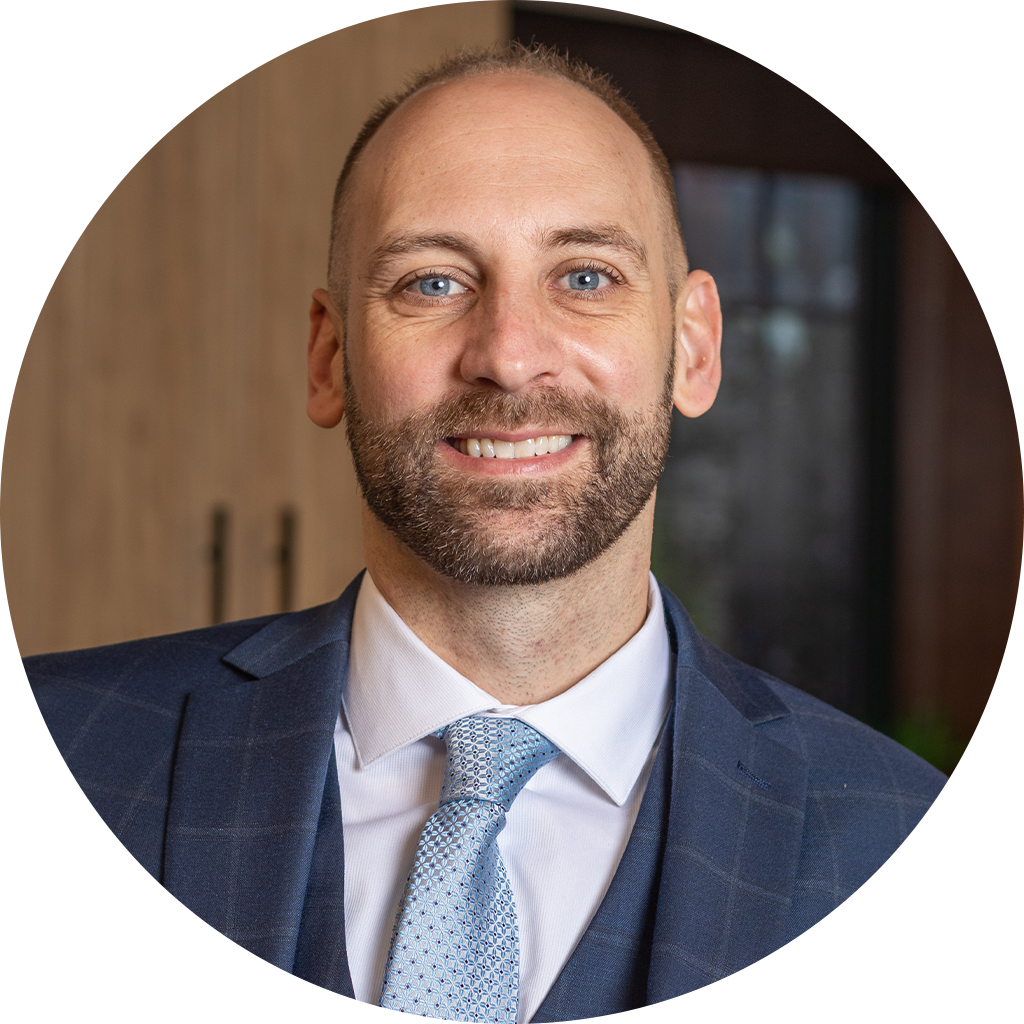
Jeremy Heavey

AIF ® , NSSA ® | FINANCIAL ADVISOR


Securities and Investment Advisory Services offered through M Holdings Securities, Inc., a Registered Broker/Dealer and Investment Advisor, Member FINRA/SIPC. Rose Street Advisors, LLC is independently owned and operated. File #5321675

Interested in more?

Let's Talk Proactive HR

Steady Oversight and a Disciplined Process

Recent geopolitical developments have understandably raised questions about how global conflicts may affect financial markets. Periods like these can create uncertainty and volatility, and part of our responsibility as your advisors is to watch developments closely while keeping portfolios aligned with long-term objectives.


While headlines can feel unsettling, history shows that markets have navigated wars and geopolitical conflicts many times before. Keeping that historical perspective and remaining committed to a disciplined investment process helps guide decision-making during uncertain periods.

Stock Markets

• In the short term, markets often experience heightened volatility. Uncertainty around trade, energy markets and global supply chains can lead to sharp price swings


• Over the longer term, equity markets have historically recovered and moved higher. Wars can stimulate certain industries such as defense, manufacturing and infrastructure. Governments often implement policies designed to support economic stability and recovery.


Historical perspective and recovery timelines:


• During World War II, U.S. stocks dropped sharply following the attack on Attack on Pearl Harbor in December 1941. The decline was relatively brief; by mid-1942 markets had stabilized, and by 1943 equities were trending higher. The S&P 500 then moved into a multi-year expansion that continued through the post-war economic boom.


• During the Gulf War, the S&P 500 declined roughly 15–17% between July and October 1990 as oil prices spiked and uncertainty increased. Once the U.S.-led coalition began military operations in January 1991, markets recovered quickly. Within about six months of the market low, equities had regained their losses and continued advancing through the early 1990s expansion.


• During the Iraq War, markets had already been under pressure due to the bursting of the tech bubble and broader economic uncertainty. The S&P 500 bottomed in March 2003, almost exactly when the invasion began, and rose more than 25% over the following 12 months. That recovery marked the beginning of a broader bull market that lasted until 2007.

Bond Markets

• Government bonds are often viewed as a “flight to safety” during periods of conflict. When investors seek stability, demand for bonds can increase and yields may decline.


• At the same time, large government spending during wartime can introduce inflation pressures, which may influence interest rates and bond market dynamics.

Our Investment Management Philosophy

Even during uncertain times, our investment decisions remain guided by a disciplined philosophy focused on long-term outcomes rather than short-term headlines. Portfolios are constructed around each client’s goals, risk tolerance, and time horizon, using the information gathered through our discovery process and risk assessment tools.


Risk and return are related and building wealth over time requires staying invested and allowing capital to work through market cycles. Our approach emphasizes time in the market rather than attempting to time short-term movements. Instead of chasing individual “hot” investments or trying to predict market turning points, we focus on disciplined portfolio construction, broad diversification, and strategic allocation.

While geopolitical conflicts can create uncertainty in the short term, history reminds us that markets have faced many similar periods. It is important to remain disciplined in portfolio management, diversification and continue to stay aligned with your long-term financial goals.

Jeremy Heavey

AIF ® , NSSA ® | FINANCIAL ADVISOR

Scott Higgins

AIF ® , CFP ®, CPFA ®, NSSA ® | FINANCIAL ADVISOR


Securities and Investment Advisory Services offered through M Holdings Securities, Inc., a Registered Broker/Dealer and Investment Advisor, Member FINRA/SIPC. Rose Street Advisors, LLC is independently owned and operated. File #5303566

Interested in more?

Let's Talk Proactive HR

2026 Is the Year: Give at Least $2,000 to Non-Profits!

Every donation helps fuel the vital work of non-profits in our communities—feeding families in need, supporting local schools, foundations, church, funding scholarships, shelters, and programs that create lasting change. Your generosity, big or small, makes a real difference in the lives of people who rely on these organizations every day.


For anyone who loves to give, the last few years have been… a little frustrating. Why? Because the standard deduction—the basic amount the IRS lets everyone deduct without itemizing—kept getting bigger. For many donors, that meant small and medium gifts didn’t help your taxes at all. You could give $5,000 to your favorite cause, and nothing changed on your return. Ouch.


Here’s the story: back in 2018, the standard deduction nearly doubled, and it’s been rising gradually ever since. That’s good news for simple taxes, but it made it harder for regular givers to “see” any tax benefit unless you were donating big—think tens of thousands. For everyday philanthropists, your generosity was, in a sense, invisible on your tax form.


But 2026 is different. This year, for the IRS is letting up to $1,000 (single filers) or 2,000 (married filing jointly) of cash count on top of your standard deduction—even if you don’t itemize. That means your giving can reduce your taxes and make a real difference for the causes you care about.

Think of it like this:

   • You make $1,000 (or $2,000 for married filing jointly) in donations to non-profits.

   • You still take the standard deduction ($16,100 for single filers and $32,300 for married filing jointly).

   • If you’re in the 22% federal tax bracket, your donation could save you $440 in taxes. 

       If you are in a higher tax bracket, the savings are even larger.

For anyone who’s felt that donating “just a few thousand” never mattered, this is your moment.


2026 is your year to give boldly. Whether it’s your local school, a scholarship fund, church or a charity with a mission close to your heart, your generosity will make a bigger impact than ever before—both for the world and for your wallet.


Make this the year your giving truly pays off.

Jeremy Heavey

AIF ® , NSSA ® | FINANCIAL ADVISOR


Securities and Investment Advisory Services offered through M Holdings Securities, Inc., a Registered Broker/Dealer and Investment Advisor, Member FINRA/SIPC. Rose Street Advisors, LLC is independently owned and operated. File #5057707

Interested in more?

Let's Talk Proactive HR

Retirement, HSA, and Estate Updates at a Glance

As the calendar turns, the numbers shift — and with them, meaningful opportunities to strengthen retirement plans, optimize taxes, and plan for the next generation. The IRS has released the updated limits for 2026, and while many changes appear modest, they can add up to powerful long-term advantages for savers, investors, and families preparing for wealth transfer.

2025 vs 2026: Key Retirement, HSA, Estate, and Tax-Savvy Updates

Account / Rule

2025 Limit

2026 Limit

Why It Matters

401(k) / 403(b) / 457 employee deferral

$23,500

$24,500

More room for pre-tax or Roth savings.

401(k) Catch-Up (50+)

$7,500

$8,000

Extra boost for those nearing retirement.

Super Catch-Up (60–63)

$11,250

$11,250

Additional employee-only savings opportunity.

Combined Employee + Employer (§415)

$70,000

$72,000

Larger cap helps business owners and self-employed individuals.

Traditional / Roth IRA (under 50)

$7,000

$7,500

Modest increase enhances tax-advantaged growth.

IRA Catch-Up (50+)

$8,000

$8,600

Higher limit for late-career savers.

HSA (Self-Only)

$4,300

$4,400

Helps fund medical + retirement needs.

HSA (Family)

$8,550

$8,750

Slight bump for families.

HSA Catch-Up (55+)

$1,000

$1,000

Still a valuable tool for older savers.

Annual Gift-Tax Exclusion

$19,000

$19,000

Predictable gifting; couples can give $38,000.

Qualified Charitable Distribution

$108,000

$111,000

Tax-efficient giving directly from IRAs.

Charitable Giving for Standard Deduction filers

N/A

$1,000 Single/$2000 Married

Cash donations deductible even without itemizing.

529 → Roth IRA Conversion

Allowed up to $35,000 lifetime

Allowed up to $35,000 lifetime

Turns unused 529 funds into retirement savings.

Estate Tax Exemption (individual)

$13.99mm

$15mm

Higher threshold for tax-free transfers.

Estate Tax Exemption (married)

$27.98mm

$30mm

Expanded room for multi-generational planning.

What These Changes Mean for You

 1. More Room For Retirement Savings

Higher limits across 401(k)s, IRAs, and HSAs create more tax-efficient space for long-term wealth building. For example, a saver age 60–63 could potentially contribute up to $35,750 in employee-only 401(k) contributions — and up to $72,000 when combined with employer dollars.


 2. Strategic Charitable Giving Options

QCD limits rise to $111,000 in 2026, making it easier for IRA owners 70½+ to give generously while reducing taxable income. Even standard-deduction filers can deduct up to $1000 for single/$2000 for married filing jointly in cash/stock donations next year.


3. New Flexibility for 529 Plans

Unused 529 dollars can now be moved into a Roth IRA for the beneficiary, giving families a tax-efficient way to support a child or grandchild’s retirement — provided the account is old enough and earned-income rules are met.


4. Expanded Estate and Legacy Planning Power

With the 2026 exemption rising to $15 million per individual ($30 million per couple), families have additional room to transfer wealth tax-free. Paired with annual gifting and charitable strategies, this strengthens multi-generational planning.


5. A Holistic Planning Opportunity

Retirement accounts, HSAs, charitable tools, and estate strategies don’t stand alone — they work together. Thoughtful coordination can create more tax efficiency and better long-term outcomes.

Even small annual changes can have major lifetime impact. The 2026 updates offer more ways to save for retirement, strengthen philanthropic plans, manage healthcare expenses, and pass wealth efficiently to heirs. With a coordinated approach, these expanded limits help protect both lifestyle and legacy.


As the financial landscape evolves, staying proactive ensures your planning keeps pace. Use the new 2026 limits to your advantage — and position yourself and your family for a stronger financial future.

Jeremy Heavey

AIF ® , NSSA ® | FINANCIAL ADVISOR


Securities and Investment Advisory Services offered through M Holdings Securities, Inc., a Registered Broker/Dealer and Investment Advisor, Member FINRA/SIPC. Rose Street Advisors, LLC is independently owned and operated. File #5057537

Interested in more?

Let's Talk Proactive HR


5 Strategies to Reduce Future Required Minimum Distributions (RMDs) Before They Begin

If your retirement savings exceed what's needed to support your lifestyle, required minimum distributions (RMDs) could significantly increase your taxable income and even raise your Medicare premiums. Fortunately, there are strategies to proactively reduce future RMDs or defer them to minimize their impact. Here are the five effective strategies: 

1. Roth Conversions

•  Convert part of your traditional IRA or 401(k) to Roth IRA before reaching RMD age. 

•  Roth IRAs do not have RMDs during your lifetime, and future withdrawals are tax-free. 

•  Conversions will trigger taxes in the year of conversion, but this can be managed by spreading conversions over several years, especially when your taxable          income is lower. 

2. Qualified Charitable Distributions (QCDs)

• Once you reach age 70 1/2, you can donate up to $108,000 annually directly from your IRA to qualified charities. 

• These distributions count toward satisfying your RMDs but are not included in your taxable income. 

• This strategy is ideal if charitable giving is part of your financial plan. 

3. Accelerated Withdrawals

• Take larger withdrawals from your traditional accounts before RMD age to reduce the account balance subject to future RMDs. 

• Withdrawals are taxable, but they may reduce future RMDs and spread out the tax impact over time. 

• Be mindful of staying within your current tax bracket to avoid triggering higher taxes. 

4. Delay Social Security Benefits

• Delaying Social Security until age 70 can reduce taxable income during your early retirement years, allowing more room for tax-efficient Roth conversions or        withdrawals. 

• This also maximizes your Social Security benefits, which can complement other tax-planning strategies. 

5. Shift to Taxable and Tax-Deferred Accounts

• If you're still working or contributiong to retirement accounts, consider redirecting new savings to taxable brokerage accounts or tax-deferred options, such as     health savings accounts (HSAs). 

• Taxable accounts offer flexibility for withdrawals without RMD rules, and HSAs provide tax-free withdrawals for qualified medical expenses. 

Final Thoughts

Planning ahead to manage future RMDs can reduce taxes and prevent surprises in retirement. By implementing these strategies, you can maintain more control over your income and minimize unnecessary tax burdens. 

Scott Higgins | AIF ®, CFP®, CPFA®, NSSA®

Financial Advisor 

Since 2012 at Rose Street, Scott has been responsible for helping the firm’s individual wealth management clients with income strategies for retirement and consulting with employers with their employee retirement plans. In free time, he enjoys golf, biking, skiing, cooking, and traveling. Fun Fact, Scott has a hobby of filling growlers with coins!

Securities and Investment Advisory Services Offered Through M Holdings Securities, Inc., a Registered Broker/Dealer and Investment Adviser, Member FINRA/SIPC. Rose Street Advisors is independently owned and operated. #7548719.1

It is officially Summer!  Favorite summer past times of grilling burgers, hotdogs, swimming, boating, gardening, camping and just spending time outside is here.  A staple in many American refrigerators in the summertime, and throughout the year, is Ketchup.  Ketchup has a way of giving those grilling favorites that much needed edge to just simply make it better.  Just like ketchup gives our grilling favorites the edge needed, catch-up contributions in a 401k can serve the same purpose. 


If you or someone you love is still working and is or going to turn 50 this year, while the normal contribution limit to a 401k/403b plan is $23,000 for 2024, those 50 and older can make catch-up contributions of an additional $7,500, totaling $30,500.  The extra amount contributed can really give an investor’s portfolio the extra boost needed to stay on track or get back on track for retirement goals. 

On December 29, 2022, Congress passed the SECURE 2.0 Act, which stands for Setting Every Community Up for Retirement Enhancement.  Several of the provisions outlined in the act have delayed start dates.  Beginning in 2025, Section 109 of the SECURE 2.0 Act allows employees who are 60-63 years old to contribute at a “super” catch-up rate!  The super catch-up allows for investors to make an additional 50% increase to the $7,500, which would result in $11,250 in additional catch-up contributions in 2025.  This catch-up contribution is planned to index to inflation and could mean possibly more contributions in future years.


If you have questions or want to learn more, please reach out and let's chat.

 
Securities and Investment Advisory Services offered through M Holdings Securities, Inc., a Registered Broker/Dealer and Investment Advisor, Member FINRA/SIPC. Rose Street Advisors, LLC is independently owned and operated. File # 6718069.1

Jeremy Heavey

AIF ® | FINANCIAL ADVISOR

Jeremy is passionate about partnering with individuals and families to identify what is important in their lives and creating a comprehensive financial strategy to help them reach their life goals. This holistic approach allows Jeremy and the wealth management team to ensure the specific needs of the client are front and center as they make investment recommendations and collaboratively design custom-tailored financial plans.


Jeremy has a professional track record starting, leading, and managing for-profit and non-profit organizations.  He is a graduate of Taylor University and has completed business programs at both Hong Kong Baptist University & Harvard Business School.  Jeremy is also formally trained and certified in behavioral assessment, conflict management and life coaching.  Jeremy, his wife Kim and their 4 kids reside in Kalamazoo.  They love spending time exploring the outdoors, fixing up their farmhouse, and living life with friends and extended family.


Fun fact:  Jeremy has been playing drums since he was 13 years old and made callbacks for the Blue Man Group.

Interested in more?

Let's Talk Proactive HR
Are you looking for a Financial Advisor in Kalamazoo?  Finding the right financial advisor to partner with you and your family is crucial in helping you work towards your goals.  Whether you're planning for retirement, managing investments, seeking advice on holistic financial planning or all of the above, a skilled financial advisor is a critical part of your team.  As you are seeking to find the best financial advisor for YOU, consider these 5 tips:

1. Define Your Financial Goals

Before you start your search for a financial advisor, it's crucial to have a clear understanding of your financial goals and objectives. Are you looking for retirement planning, investment management, debt reduction strategies, or comprehensive financial planning or maybe some or all of the above? Knowing your specific needs will help you narrow down your search and find an advisor with expertise in the areas that matter most to you.

2. Learn How they Are Licensed

When considering potential financial advisors, it's essential to learn how they are licensed. There are 2 distinct ways to be licensed, as a fee-based fiduciary advisor or a commissioned-based broker.  Depending on your needs and desires, one might be a better fit than the other.  Look for advisors who hold reputable certifications such as Certified Financial Planners (CFP), Certified Financial Analysts (CFA) or Accredited Investment Fiduciaries (AIF). These designations require education, experience, and ethical standards, ensuring that your advisor has the necessary expertise to provide sound financial advice.

3. Seek Recommendations and Referrals

One of the most reliable ways to find a trustworthy financial advisor is through recommendations from friends, family, or colleagues who have had positive experiences. Ask people in your network if they can recommend an advisor they trust and/or ask your advisor if they can share some references you can contact. Additionally, you can consult with professionals in related fields, such as attorneys or accountants, who often work with financial advisors and may provide referrals.

4. Interview Potential Advisors

Once you've compiled a list of potential advisors, schedule initial interviews or consultations. Advisors who are serious about working with you will usually provide a complimentary consultation.  This is an opportunity to get to know the advisors and assess their compatibility with your financial goals and personal values. During these meetings, ask questions about their investment philosophy, fee structure, and client services. Pay attention to their communication style and willingness to listen to your concerns and objectives.

5. Understand Fee Structures

Financial advisors charge in various ways, including commissions, flat fees, hourly rates, or a percentage of assets under management. It's essential to understand how your potential advisor charges for their services and how this fee structure aligns with your financial situation, goals and preferences. Be transparent about your expectations to ensure there are no surprises down the road.

Choosing the right financial advisor in Kalamazoo is a significant decision that can have a lasting impact on your financial well-being. By defining your goals, checking qualifications, seeking recommendations, interviewing potential advisors, and understanding fee structures, you can make an informed choice that aligns with your financial objectives. Remember that trust, compatibility, and open communication are key factors in building a successful advisor-client relationship. 

At Rose Street Advisors, we often tell our clients and potential clients that the more we know about them, the better we can put together a tax-efficient holistic financial life plan, build and manage a diversified portfolio and serve as their personal CFO, helping guide them towards their goals.  Want to know more?  We are always happy to have a chat.

 
Securities and Investment Advisory Services offered through M Holdings Securities, Inc., a Registered Broker/Dealer and Investment Advisor, Member FINRA/SIPC. Rose Street Advisors, LLC is independently owned and operated. File # 6439955.1

Jeremy Heavey

AIF ® | FINANCIAL ADVISOR

Jeremy is passionate about partnering with individuals and families to identify what is important in their lives and creating a comprehensive financial strategy to help them reach their life goals. This holistic approach allows Jeremy and the wealth management team to ensure the specific needs of the client are front and center as they make investment recommendations and collaboratively design custom-tailored financial plans. Jeremy has a professional track record starting, leading, and managing for-profit and non-profit organizations.  He is a graduate of Taylor University and has completed business programs at both Hong Kong Baptist University & Harvard Business School.  Jeremy is also formally trained and certified in behavioral assessment, conflict management and life coaching.  Jeremy, his wife Kim and their 4 kids reside in Kalamazoo.  They love spending time exploring the outdoors, fixing up their farmhouse, and living life with friends and extended family. Fun fact:  Jeremy has been playing drums since he was 13 years old and made callbacks for the Blue Man Group.

Interested in more?

Let's Talk Proactive HR

All Things 401k | 5 Helpful Ways to Organize Your 401(k) Fiduciary Files

Managing Discover top strategies for maintaining organized 401(k) fiduciary files with best practices for compliance and peace of mind.  As a plan sponsor, one of your primary responsibilities is ensuring that your company's retirement plan operates smoothly and within the boundaries of compliance regulations. This is no small feat, especially when dealing with the complexities of a 401(k) plan. One of the ways to help enable hassle-free management is by maintaining neat and tidy records. This article will provide you with some practical tips and best practices on how to organize and document your fiduciary files.

Why Is Retirement Plan Documentation Important?

First, let's delve into why retirement plan documentation is crucial. Proper documentation serves as evidence of your diligent fiduciary oversight. It helps to show that you are actively managing your company's retirement plan in accordance with ERISA regulations. Moreover, it helps streamline the auditing process and makes it easier to answer inquiries from your plan's third-party administrator (TPA).

Best Practices for Organizing Fiduciary Files

Now, let's explore some of the best methods to keep your fiduciary files in order: 1. Create a Fiduciary File System: Designate a secure location, preferably a locked file cabinet or encrypted digital storage space, for all plan-related documents. This includes the plan document, amendments, participant communications, government filings, and investment reviews. Action item: Create a new master folder and label it “401(k) Plan”. Within this master folder, create subfolders with important categories such as, “Plan Document and Amendments”, “Participant Communications”, “Annual Filings”, and “Investment Reviews”. Ensure that relevant documents are correctly placed within their corresponding subfolders. 2.Implement a Document Retention Policy: Develop a policy that outlines for how long different types of documents should be retained. For instance, the plan document and amendments should be kept permanently, while records related to plan operations should typically be kept for at least six years. 3.Regularly Update Your Files: Make it a habit to update your files regularly. This includes adding new documents as they come in and removing outdated ones based on your retention policy. 4.Use Clear Labeling and Categorization: Clearly label each document with its type and the date it was created or received. Categorize documents based on their nature, such as plan administration, investment management, participant records, and compliance tests. Folder / File Name Examples •Plan Document and Amendments / Plan Document-ABC Company-401k Plan-2010.docx •Investment Reviews / Investment Review-ABC Company-401k Plan-Q1 2024.docx •Participant Communications / Participant Education-ABC Company-401k Plan-Q1 2024.docx 5.Ensure Accessibility While Maintaining Confidentiality: Balancing accessibility with confidentiality is vital when managing fiduciary files. The documents should be readily retrievable as needed, yet stored in a manner that protects sensitive data from unauthorized access. Implement safeguards such as password protection for sensitive documents and restrict access to authorized personnel only. Let’s take the company's census file as an example. This file holds sensitive information like Social Security numbers, dates of birth, salaries, 401(k) deferral amounts, employer match, and profit sharing calculations. This file should be safeguarded with a password and is only accessible to employees who require this information for their roles. For instance, a newly hired temporary employee would not have access to this file, ensuring the information remains confidential.

Reduce the Hassle of Compliance Testing

One of the many benefits of maintaining organized fiduciary files is how much easier it makes compliance testing. For example, your plan's TPA usually asks for uploading census data by January 31st to run their compliance tests for the year. By having clean data and organized files, this task becomes significantly less daunting. Instead of spending hours searching for and compiling the requested information, you can access it within a few clicks. This not only saves you valuable time, but it also helps ensure that your TPA has all the necessary information to perform accurate compliance tests.

Structure for Success

Maintaining a well-organized 401(k) is more than just a tidy system of records. It's an outward sign of effective fiduciary oversight, accurate audits, and comprehensive compliance testing. As a plan sponsor, you play an important role in the smooth operation of your company's retirement plan. However, you don't have to navigate this path alone. Partnering with an experienced 401(k) advisor can offer valuable assistance, provide answers to your questions, and help ensure you're on the right track. Remember, the success of your 401(k) plan is not just about its performance but also about its organization and compliance. We are here to provide guidance, help you stay organized, and support the development of a bright financial future for your employees.

JULIA SANDERS

AIF®, CPFA® | Retirement Relationship Manager

Meet Julia, a people-focused life-long learner with several years of experience in the retirement plan industry. Throughout her career, Julia has been committed to maintaining strong client relationships by providing incredible customer service. She is passionate about helping clients define and plan for their retirement goals. Julia’s daily role at the firm energizes and reinforces her commitment to client-focused work.

SCOTT HIGGINS

AIF®, CFP®, CPFA® | Financial Advisor

Since 2012 at Rose Street, Scott has been responsible for helping the firm's individual wealth management clients with income strategies for retirement and consulting with employers with their employee retirement plans. In free time, he enjoys golf, biking, skiing, cooking, and traveling. Fun fact, Scott has a hobby of filling growlers with coins!
Securities and Investment Advisory Services offered through M Holdings Securities, Inc., a Registered Broker/Dealer and Investment Advisor, Member FINRA/SIPC. Rose Street Advisors, LLC is independently owned and operated. #6188012.1
This information was developed as a general guide to educate plan sponsors and is not intended as authoritative guidance or tax/legal advice. Each plan has unique requirements, and you should consult your attorney or tax advisor for guidance on your specific situation.
©401(k) Marketing, LLC. All rights reserved. Proprietary and confidential. Do not copy or distribute outside original intent. 

Interested in more?

Let's Talk Proactive HR

All Things 401k | Wrapping up 2023: A Comprehensive Guide to End-of-Year 401(k) Tasks

As the end of 2023 draws near, those responsible for their company 401(k) plan have much to consider. With a combination of standard annual tasks and new SECURE Act provisions on your plate, we are here to help you. This article is a helpful guide for wrapping up 2023 smoothly! We will dive into those end-of-year 401(k) tasks that require your attention including plan design review, SECURE Act preparation, Required Minimum Distributions (RMDs), employee deferrals and more. Annual Review An annual review is a great time to kick the tires and make sure your plan is still working well. Assessing key demographics such as participation, deferral rates, assets allocation and loan activity can help shine light on opportunities for the plan. Updates could be necessary to keep your plan in compliance, boost performance and/or better suit your organizational needs. Safe Harbor Considerations If you are considering adding or changing your company match formula, now is a good time to discuss it before December 1st. Both new and existing plans need to finalize any decisions on safe harbor match changes before the deadline. This will allow sufficient time to distribute the required notices. Long-Term, Part-Time Employees Starting January 1st, 2024, new rules go into effect for long-term, part-time employees. The SECURE Act requires 401(k) plans to allow employees who have worked 500 hours or more in the past three consecutive 12-month periods to contribute to the plan. It's important that you track and record the correct hours. Required Minimum Distributions The annual deadline for paying out RMDs is December 31st, so now is the time to get ahead. Take this time to review the list of affected participants. This includes current and terminated participants over the age of 72 (73 if the person reached age 72 after December 31st, 2022). Bonuses If paying year-end bonuses, you might consider checking the definition of compensation in your document. If bonuses aren't included in this definition, there won't be any deductions for 401(k) or 403(b) contributions from the bonus. However, if the plan counts all types of pay as compensation, contributions should be taken from the bonuses. Opt-Out Records While the decision to participate in the retirement plan rests solely with each employee, it is your responsibility to keep accurate documentation. It's essential to keep clear records, indicating that employees were given the choice to defer their participation. Furthermore, any instances where an employee has chosen to defer 0% of their earnings must be meticulously recorded. Expense Account If you have an ERISA spending account, also known as an ERISA bucket or plan expense reimbursement account, review it before the year ends. This account is typically used to cover plan-related costs. However, if there is leftover money in the account, it is often distributed back to the participants. Your plan document should provide details on how this surplus revenue is distributed. Some plans distribute the excess to all participants, while others only disburse it to those who invest in funds with revenue-sharing agreements. Required Notices Remember, December 1st is the deadline for annual participant notices. These notices inform employees about their 401(k) plan's operations, investment options and fees. Ensuring timely distribution helps avoid penalties and maintains your plan's tax benefits. Lean on Your Advisor The end of the year is an exciting time, but it can also be stressful. That is why we work closely with our clients to tackle these end-of-year tasks. Whether it's questions about required notices, compliance deadlines, plan design review or anything else, we're here to help.

JULIA SANDERS

AIF®, CPFA® | Retirement Relationship Manager

Meet Julia, a people-focused life-long learner with several years of experience in the retirement plan industry. Throughout her career, Julia has been committed to maintaining strong client relationships by providing incredible customer service. She is passionate about helping clients define and plan for their retirement goals. Julia’s daily role at the firm energizes and reinforces her commitment to client-focused work.

SCOTT HIGGINS

AIF®, CFP®, CPFA® | Financial Advisor

Since 2012 at Rose Street, Scott has been responsible for helping the firm's individual wealth management clients with income strategies for retirement and consulting with employers with their employee retirement plans. In free time, he enjoys golf, biking, skiing, cooking, and traveling. Fun fact, Scott has a hobby of filling growlers with coins!
Securities and Investment Advisory Services offered through M Holdings Securities, Inc., a Registered Broker/Dealer and Investment Advisor, Member FINRA/SIPC. Rose Street Advisors, LLC is independently owned and operated. #6006784.1
This information was developed as a general guide to educate plan sponsors and is not intended as authoritative guidance or tax/legal advice. Each plan has unique requirements, and you should consult your attorney or tax advisor for guidance on your specific situation.
©401(k) Marketing, LLC. All rights reserved. Proprietary and confidential. Do not copy or distribute outside original intent. 

Interested in more?

Let's Talk Proactive HR
Next Page »
Rose Street Advisors

Your guide from hire to retire. Rose Street Advisors provides the strategy companies need to grow with confidence.

Firm
About UsOur TeamCommunity SupportTestimonials
Services
Employee BenefitsHR ConsultingLife InsuranceEmployer Retirement PlansWealth ManagementFiduciary Fitness
Contact

244 North Rose Street
Kalamazoo, MI 49007

5181 Plainfield Ave NE
Grand Rapids, MI 49525

269.552.3200
© 2026 Rose Street Advisors LLC. All rights reserved.
Securities and Investment Advisory Services Offered Through M Holdings Securities, Inc. A Registered Broker/Dealer and Investment Advisor, Member FINRA/SIPC. Rose Street Advisors is independently owned and operated. Please go to www.mfin.com/DisclosureStatement for further details regarding this relationship. Check the background of this Firm and/or investment professional on FINRA's BrokerCheck. For important information related to M Securities, refer to the M Securities' Client Relationship Summary (Form CRS) by navigating to mfin.com/m-securities. Registered Representatives are registered to conduct securities business and licensed to conduct insurance business in limited states. Response to, or contact with, residents of other states will only be made upon compliance with applicable licensing and registration requirements. The information in this website is for U.S. residents only and does not constitute an offer to sell, or a solicitation of an offer to purchase brokerage services to persons outside of the United States. This site is for information purposes and should not be construed as legal or tax advice and is not intended to replace the advice of a qualified attorney, financial or tax advisor or plan provider. CA Insurance License. File #5757992.1

We value your privacy

We use cookies to keep this site reliable, understand how it’s used, and — with your permission — to personalize content. You can accept all, reject non-essential, or choose which categories to allow.

Cookie Preferences