Rose Street Advisors Rose Street Advisors
Firm
About UsOur TeamM Financial GroupEducation LibraryCommunity SupportTestimonials
Benefits
Employee Benefit ServicesBenefits FAQBenefits University Blog
HR Consulting
HR Consulting ServicesHR BlogRose Street Recruits
Life Insurance
Life Insurance ServicesLife Happens BlogLife Insurance Vlog
Employer Retirement Plans
Retirement ServicesFiduciary Fitness ProgramGuide to Retirement BlogRetirement Plans FAQ
Wealth Management
Wealth Management ServicesInvestED BlogWealth Management FAQs
Get In Touch
Firm
About UsOur TeamM Financial GroupEducation LibraryCommunity SupportTestimonials
Benefits
Employee Benefit ServicesBenefits FAQBenefits University Blog
HR Consulting
HR Consulting ServicesHR BlogRose Street Recruits
Life Insurance
Life Insurance ServicesLife Happens BlogLife Insurance Vlog
Employer Retirement Plans
Retirement ServicesFiduciary Fitness ProgramGuide to Retirement BlogRetirement Plans FAQ
Wealth Management
Wealth Management ServicesInvestED BlogWealth Management FAQs
Get In Touch

Managing money has never felt more complex. Rising costs, competing priorities, and the pressure to make smart financial decisions can leave anyone feeling uncertain. If you’ve ever questioned whether you’re budgeting correctly, saving enough, or choosing the right investments, you’re in good company.

That’s why financial wellness matters so much in 2026. It’s not about mastering every financial concept. It’s about having the knowledge, tools, and confidence to make steady, informed decisions, both inside and outside your retirement plan.

Financial Stress Reaches Far Beyond Your Wallet

Money worries don’t stay neatly tucked away at home. They often show up as:

• Difficulty staying focused at work

• Anxiety about surprise expenses

• Doubt about long‑term financial security

Strengthening your financial wellness starts with the fundamentals: understanding your cash flow, building savings habits, and using available resources to reduce stress and improve stability.

Your Retirement Plan Is Just One Piece of the Puzzle

Your workplace retirement plan is a powerful tool for long‑term savings, but it’s not the whole story. Many people still feel unsure about how much to contribute, how to choose investments, or whether pre‑tax or Roth contributions make sense for them.

Financial wellness education helps you:

• Understand how your retirement plan fits into your broader financial life

• Make confident decisions about contributions and investment options

• See retirement savings as part of a larger strategy, not your only strategy

When you understand your plan, it becomes a foundation you can build on, not a source of confusion.

Budgeting and Saving: The Core of Financial Wellness

Before investing beyond your retirement plan, strong budgeting and saving habits create the stability you need. Even small steps can make a meaningful difference:

• Tracking where your money goes

• Building an emergency fund

• Automating savings when possible

• Setting realistic, achievable goals

Financial wellness is about progress, not perfection. Every step you take strengthens your financial foundation.

Investing Beyond Your Workplace Plan

Once your budget and emergency savings are in place, exploring additional investment options can help you grow wealth over time. This might include:

• Individual retirement accounts (Traditional IRA or Roth IRA)

• Brokerage accounts for long‑term investing

• High‑yield savings accounts for short‑term goals

• Health savings accounts (HSAs), if available

Understanding these tools empowers you to build a financial strategy that supports both your present and future needs.

You Don’t Have to Navigate This Alone

Many employers now offer financial education, tools, and resources to help employees make sense of budgeting, saving, and investing. These programs aren’t about judging where you are, they’re about helping you move forward with clarity and confidence.

Using these resources can help you:

• Ask better questions

• Make informed financial decisions

• Align your choices with your personal goals

Looking Ahead

Financial wellness isn’t about quick fixes or perfect decisions. It’s about building habits, understanding your options, and feeling more confident about your financial future.

In 2026 and beyond, small steps, whether improving your budget, increasing savings, or exploring investments outside your retirement plan, can reduce stress and put you on a stronger path for tomorrow.
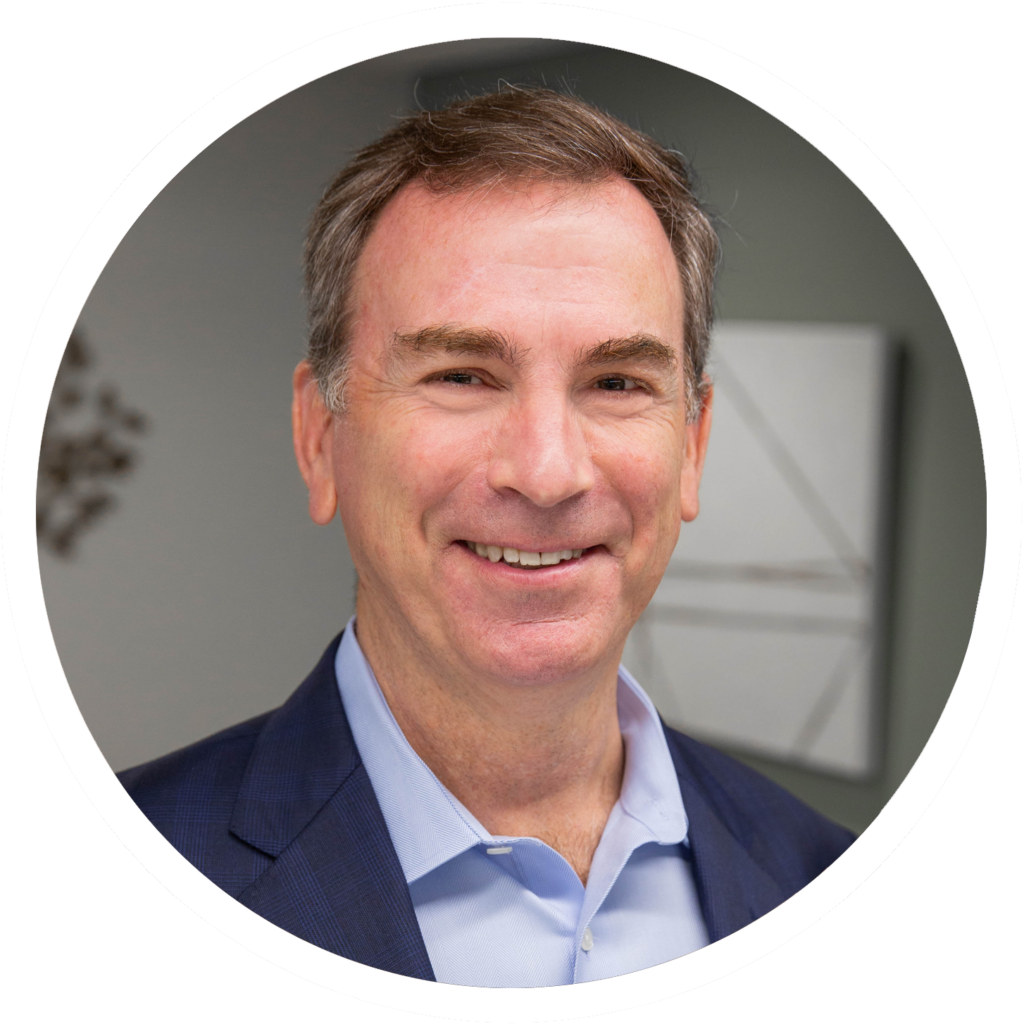
Scott Higgins | AIF ®, CFP®, CPFA®, NSSA®

Financial Advisor

Securities and Investment Advisory Services Offered Through M Holdings Securities, Inc., a Registered Broker/Dealer and Investment Adviser, Member FINRA/SIPC. Rose Street Advisors is independently owned and operated. #5190109

Interested in more?

Let's Talk Proactive HR

Retirement is one of life’s biggest transitions. Your paycheck may stop, but your expenses don’t. And your time, priorities, and goals often shift in meaningful ways. If you’ve never created a formal budget before, you’re not alone. Many people haven’t needed one during their working years.

The good news? It’s never too late to put a simple, flexible plan in place that helps you feel confident about your spending and your future.

Here are some practical tips to help you build, and stick to, a retirement budget that works for you.

1. Start with What You Spend Today

Before building a retirement budget, take a look at your current spending. This gives you a realistic baseline.

Focus on:

• Housing (mortgage/rent, taxes, insurance)

• Food and utilities

• Transportation

• Insurance and healthcare

• Discretionary spending (travel, hobbies, dining)

From there, adjust for what will change in retirement as some costs may go down (commuting, work expenses), while others may increase (healthcare, travel, leisure).

2. Separate “Needs” from “Wants”

A helpful way to simplify budgeting is to divide expenses into two categories:

• Needs: Essential expenses you must cover (housing, food, insurance, basic healthcare)

• Wants: Lifestyle choices (travel, entertainment, gifts, dining out)

This approach gives you flexibility. In years when markets are volatile or unexpected expenses arise, you can adjust discretionary spending without disrupting your core lifestyle.

3. Plan for Healthcare… More Than You Expect

Healthcare is often one of the most underestimated retirement expenses.

Be sure to account for:

• Medicare premiums and supplemental coverage

• Out-of-pocket costs (deductibles, prescriptions, dental/vision)

• Potential long-term care needs

Building a cushion here can help avoid surprises later.

4. Build in a “Buffer Zone”

Life rarely follows a perfect plan. Home repairs, helping family, or simply wanting to take an extra trip can all impact your budget.

A good rule of thumb is to include a buffer (5–10%) in your annual spending plan. This creates breathing room and reduces the stress of unexpected costs.

5. Align Your Budget with Your Income Strategy

Your retirement income may come from multiple sources:

• Workplace retirement plans (401(k), 403(b))

• Social Security

• IRAs or taxable accounts

The key is making sure your withdrawal strategy aligns with your spending needs so your money lasts while still supporting the lifestyle you want.

This is where thoughtful planning really matters; balancing reliable income with flexibility for the years ahead.

6. Revisit and Adjust Each Year

Your retirement budget isn’t a one-time exercise.  It’s a living plan.

Each year, take a few minutes to review:

• Changes in spending

• Market performance

• Income sources

• Life goals or priorities

Small adjustments over time can make a big difference in keeping your plan on track.

Final Thoughts

Creating a retirement budget isn’t about restricting your lifestyle.  It’s about giving yourself clarity and financial confidence. When you know where your money is going and how it supports your goals, it becomes much easier to enjoy retirement without second-guessing every decision.

If you haven’t created a budget yet, that’s okay. Starting now, even with a simple outline, is a powerful step toward making the most of the years ahead.

Scott Higgins | AIF ®, CFP®, CPFA®, NSSA®

Financial Advisor

This material and the opinions voiced are for general information only and are not intended to provide specific advice or recommendations for any individual. To determine waht is appropriate for you, please contact me directly or consult another qualified professional

Securities and Investment Advisory Services Offered Through M Holdings Securities, Inc. A Registered Broker/Dealer and Investment Advisor, Member FINRA/SIPC. Rose Street Advisors is independently owned and operated. #5341120

Interested in more?

Let's Talk Proactive HR

Have you seen Billy Madison starring Adam Sandler?  Do you remember the premise? His dad built a massive business and wanted to hand it over to his son… while Billy was busy having a full argument between shampoo and conditioner.

It’s funny because it’s exaggerated. But it also lands because there’s a real question underneath it.

What happens when something significant gets handed to someone who isn’t ready for it?

There’s a statistic that gets quoted often in our industry. Roughly 70% of wealthy families lose their wealth by the second generation, and about 90% by the third.

Not because people didn’t work hard. Not because there wasn’t enough. But because something didn’t carry forward.

So the real question isn’t just how to pass wealth on.

It’s this:

How do you prepare them for it?
How do you make sure what you built is amplified—not quietly diluted—in the next generation?

And when you’ve spent decades getting here, that question matters.

A client said something to me recently that stuck.

“We’ve spent decades building this. I’m just not sure our kids understand what it represents.”

Not from a control standpoint. From a place of respect for what it took to build it. If you step back for a moment, what you’ve built didn’t happen by accident. It took discipline, trade-offs, tough decisions that weren’t always obvious in the moment and staying steady when things were uncertain.

You earned the position you’re in. And because of that, your kids have grown up with more stability, more options and fewer constraints.

That’s something to be proud of.

At the same time, it creates a natural gap. They didn’t have to go through what you did to get here.

So it’s worth asking:

• What are they picking up from that difference?
• How do they view money, effort, and responsibility?
• Do they see this as something to build on—or something that will always be there?

Not because anything is wrong. But because they’ve had a different starting point.

And that shapes how things are interpreted.

The Real Question

The wealth didn’t just appear. It followed a way of operating.

Consistency, discipline, integrity and a willingness to do hard things over time. The ability to stay steady when others didn’t. Those weren’t side traits. They were the reason it worked.

So it’s fair to ask:

If those don’t carry forward, why would we expect the outcome to?

And if they did carry forward, what might that make possible?

Start Here

Most people have never actually defined what drove their success. They lived it, but they haven’t put clear language around it.

A simple place to begin:

Look backward.

Think about decisions you’re proud of. Not financially—personally. What did those moments have in common?

Then separate results from behavior.


The outcome isn’t the lesson. The behavior that created it is.

And make it clear. Not just “work ethic,” but what that actually looked like in your life.

If it’s clear to you, it becomes easier for someone else to understand.

And once that clarity is there, the next step becomes more practical.

Then, Over Time

This isn’t about one conversation. It’s about what gets seen and picked up along the way.

Let them see how you think through decisions. Not just what you chose, but how you got there.

Give them responsibility in ways that fit where they are. Confidence tends to follow experience.

Connect money to purpose. What it’s for, what it supports, what it doesn’t replace. And bring them along gradually. Not all at once, but not all at the end either.

Over time, that builds something more valuable than information. It builds judgment. And this is where planning starts to look a little different.

At our firm, this is part of the conversation. Not just the numbers, not just the portfolio, but how everything connects to the people behind it. Because a well-built plan isn’t just about growing assets. It’s about preparing the people those assets are meant to serve.

You

Over the next few months, pay attention to the moments where your values naturally show up. When you make a decision, when something doesn’t go as planned or when you choose the harder path.

Instead of letting those moments pass, make them visible. A quick explanation or a story when it fits. Letting them see how you think in real time. If you did that consistently, what might they begin to understand? Not just about money. But about how to operate when it matters.


If more families approached it this way, wealth would carry something more with it. Not just assets, but understanding.

We’d likely see more examples of it being built upon, not just maintained—or lost. Not because the opportunities were different, but because the people stepping into them were ready.

That’s what ultimately determines whether something lasts.

And if this is something you’ve been thinking about, give us a call.  It’s worth continuing the conversation. Because getting this right doesn’t happen by accident—and it’s too important to leave to chance.

Jeremy Heavey

AIF ® , NSSA ® | FINANCIAL ADVISOR

Securities and Investment Advisory Services offered through M Holdings Securities, Inc., a Registered Broker/Dealer and Investment Advisor, Member FINRA/SIPC. Rose Street Advisors, LLC is independently owned and operated. File #5321675

Interested in more?

Let's Talk Proactive HR

For HR leaders, finance professionals and retirement plan committees, sponsoring a 401(k) or 403(b) plan is both a valuable employee benefit and an important fiduciary responsibility. Plan sponsors must ensure that their plan operates in the best interests of participants while maintaining reasonable fees, competitive investments and quality services.

One of the most effective ways to evaluate the health of a retirement plan is through benchmarking. Benchmarking allows plan sponsors to compare their plan’s fees, services, investments, and design features to similar plans in the marketplace. The insights gained can help identify opportunities to improve the plan and demonstrate responsible oversight.

What Is Retirement Plan Benchmarking?

Benchmarking is the process of comparing your retirement plan against similar plans based on factors such as:

• Total plan assets

• Number of participants

• Industry type

• Plan features and services

The goal is to determine whether your plan’s costs and services are reasonable and competitive. Benchmarking also supports fiduciary oversight under the Employee Retirement Income Security Act, which requires plan fiduciaries to act prudently and ensure plan fees are reasonable relative to the services provided.

Why Benchmarking Is Important

Demonstrates Fiduciary Responsibility


Benchmarking provides documentation that plan sponsors are reviewing plan costs and services on a regular basis. This process helps support a prudent decision-making framework.


Evaluates Plan Fees


Retirement plan fees can vary widely depending on plan size and service structure. Benchmarking helps determine whether costs such as recordkeeping, advisory, and investment fees are reasonable compared with similar plans.

Improves Participant Outcomes


Benchmarking often uncovers opportunities to improve the plan, such as:

• Lower-cost investment options

• Additional participant education resources

• Enhanced retirement planning tools

• New plan features like automatic enrollment

Even small improvements can have a meaningful impact on long-term retirement savings.

Key Types of Retirement Plan Benchmarking

Plan sponsors typically review several different aspects of their retirement plan during benchmarking.

Fee Benchmarking


Fee benchmarking evaluates the overall cost of the plan relative to similar plans. Areas reviewed may include:

• Record keeping and administrative fees

• Investment expense ratios

• Advisor compensation

• Total plan cost per participant

This type of benchmarking is commonly conducted every one to three years.

Investment Benchmarking


Investment benchmarking reviews the plan’s investment lineup to ensure funds remain competitive and appropriate for participants. Committees often evaluate:

• Fund performance relative to benchmarks

• Expense ratios

• Risk characteristics

• Availability of lower-cost share classes

Investment monitoring is often performed quarterly or semiannually.

Service Benchmarking


Service benchmarking evaluates the quality and scope of services provided by vendors such as record keepers and advisors.

This may include reviewing:

• Participant education programs

• Retirement readiness tools

• Call center support

• Technology platforms and mobile access

• Plan administration support

Ensuring participants have access to strong resources can improve engagement and retirement readiness.

Plan Design Benchmarking


Plan design benchmarking compares your plan’s structure and features against industry norms such as:

• Employer matching contributions

• Auto-enrollment and auto-escalation features

• Vesting schedules

• Eligibility rules

Understanding how your plan compares to others can help ensure your retirement benefit remains competitive for attracting and retaining employees.

Request for Proposal (RFP)


A Request for Proposal is a comprehensive benchmarking process where plan sponsors invite multiple providers to submit proposals for plan services. This process evaluates pricing, services, technology, and overall value.

An RFP allows plan sponsors to test the marketplace and confirm whether their current provider remains competitive. Many organizations conduct an RFP every three to five years.

Final Thoughts

Benchmarking is an essential part of responsible retirement plan management. By regularly evaluating fees, investments, services, and plan design, plan sponsors can ensure their retirement plan continues to provide strong value for participants.

Regular reviews also help demonstrate fiduciary prudence and identify opportunities to strengthen the plan over time.

If your organization hasn’t reviewed its retirement plan recently, now may be the time.  Consider working with your advisor or retirement plan consultant to conduct a benchmarking review of your 401(k) or 403(b) plan to ensure it remains competitive, cost-effective, and positioned to support your employees’ long-term retirement goals.

Scott Higgins | AIF ®, CFP®, CPFA®, NSSA®

Financial Advisor

This material and the opinions voiced are for general information only and are not intended to provide specific advice or recommendations for any individual. To determine waht is appropriate for you, please contact me directly or consult another qualified professional

Securities and Investment Advisory Services Offered Through M Holdings Securities, Inc. A Registered Broker/Dealer and Investment Advisor, Member FINRA/SIPC. Rose Street Advisors is independently owned and operated. #5299035 

Interested in more?

Let's Talk Proactive HR

Steady Oversight and a Disciplined Process

Recent geopolitical developments have understandably raised questions about how global conflicts may affect financial markets. Periods like these can create uncertainty and volatility, and part of our responsibility as your advisors is to watch developments closely while keeping portfolios aligned with long-term objectives.

While headlines can feel unsettling, history shows that markets have navigated wars and geopolitical conflicts many times before. Keeping that historical perspective and remaining committed to a disciplined investment process helps guide decision-making during uncertain periods.

Stock Markets

• In the short term, markets often experience heightened volatility. Uncertainty around trade, energy markets and global supply chains can lead to sharp price swings

• Over the longer term, equity markets have historically recovered and moved higher. Wars can stimulate certain industries such as defense, manufacturing and infrastructure. Governments often implement policies designed to support economic stability and recovery.

Historical perspective and recovery timelines:

• During World War II, U.S. stocks dropped sharply following the attack on Attack on Pearl Harbor in December 1941. The decline was relatively brief; by mid-1942 markets had stabilized, and by 1943 equities were trending higher. The S&P 500 then moved into a multi-year expansion that continued through the post-war economic boom.

• During the Gulf War, the S&P 500 declined roughly 15–17% between July and October 1990 as oil prices spiked and uncertainty increased. Once the U.S.-led coalition began military operations in January 1991, markets recovered quickly. Within about six months of the market low, equities had regained their losses and continued advancing through the early 1990s expansion.

• During the Iraq War, markets had already been under pressure due to the bursting of the tech bubble and broader economic uncertainty. The S&P 500 bottomed in March 2003, almost exactly when the invasion began, and rose more than 25% over the following 12 months. That recovery marked the beginning of a broader bull market that lasted until 2007.

Bond Markets

• Government bonds are often viewed as a “flight to safety” during periods of conflict. When investors seek stability, demand for bonds can increase and yields may decline.

• At the same time, large government spending during wartime can introduce inflation pressures, which may influence interest rates and bond market dynamics.

Our Investment Management Philosophy

Even during uncertain times, our investment decisions remain guided by a disciplined philosophy focused on long-term outcomes rather than short-term headlines. Portfolios are constructed around each client’s goals, risk tolerance, and time horizon, using the information gathered through our discovery process and risk assessment tools.

Risk and return are related and building wealth over time requires staying invested and allowing capital to work through market cycles. Our approach emphasizes time in the market rather than attempting to time short-term movements. Instead of chasing individual “hot” investments or trying to predict market turning points, we focus on disciplined portfolio construction, broad diversification, and strategic allocation.

While geopolitical conflicts can create uncertainty in the short term, history reminds us that markets have faced many similar periods. It is important to remain disciplined in portfolio management, diversification and continue to stay aligned with your long-term financial goals.

Jeremy Heavey

AIF ® , NSSA ® | FINANCIAL ADVISOR

Scott Higgins

AIF ® , CFP ®, CPFA ®, NSSA ® | FINANCIAL ADVISOR

Securities and Investment Advisory Services offered through M Holdings Securities, Inc., a Registered Broker/Dealer and Investment Advisor, Member FINRA/SIPC. Rose Street Advisors, LLC is independently owned and operated. File #5303566

Interested in more?

Let's Talk Proactive HR

For many retirees, Social Security is a foundational source of income—yet most people claim without fully understanding how their timing and strategy can impact lifetime benefits. By learning how different claiming options work, you can make a more informed decision that supports your long-term financial goals.

1. Know Your Full Retirement Age (FRA)

Your FRA is the age at which you qualify for 100% of your Social Security benefit. Claiming before FRA (at age 62 or later) reduces monthly benefits permanently. Waiting until FRA or beyond increases your monthly income and can provide more stability later in retirement.

2. Consider Delaying Benefits for Higher Lifetime Income

If you delay Social Security past your FRA, benefits grow by roughly 8% per year until age 70. This strategy can be especially impactful for individuals with longer life expectancies or families with longevity. Delaying can also strengthen survivor benefits for a spouse.

3. Evaluate Spousal Strategies

Married couples have more flexibility in how they claim. One spouse may claim earlier to provide income while the higher-earning spouse delays their benefit for maximum growth. Understanding how spousal and survivor benefits work can help couples significantly increase total household benefits.

4. Integrate Social Security Into Your Broader Retirement Plan

Choosing when to claim shouldn’t happen in a vacuum. Factors like part-time work, pension income, tax considerations, and required minimum distributions all affect the optimal strategy. Coordinating Social Security with your savings and spending plan can help stretch your retirement dollars further.

5. Avoid Earning Penalties if You Claim Early

If you claim before FRA and continue working, Social Security may temporarily withhold some of your benefits once you exceed annual earnings limits. This isn’t a penalty, you’ll eventually receive credit for those reductions, but understanding the rules can prevent surprises.

6. Review Annually and Adjust if Needed

Life changes such as marriage, divorce, widowhood, health changes can all impact your eligible benefits. Regularly reviewing your strategy ensures you take advantage of every opportunity available.

Scott Higgins | AIF ®, CFP®, CPFA®, NSSA®

Financial Advisor

Securities and Investment Advisory Services Offered Through M Holdings Securities, Inc., a Registered Broker/Dealer and Investment Adviser, Member FINRA/SIPC. Rose Street Advisors is independently owned and operated. #5059445

Interested in more?

Let's Talk Proactive HR

Financial wellness has become a defining issue for today’s workforce. In 2026, employees are navigating ongoing financial pressure from rising living costs to increased complexity around benefits and retirement decisions. As a result, financial stress is no longer confined to employees’ personal lives; it shows up in the workplace and within the retirement plan itself.

For plan sponsors, this creates both a challenge and an opportunity. Thoughtful financial wellness initiatives can support employees while strengthening the overall effectiveness of the retirement plan.

Financial Stress Is Affecting Workplace Performance

Many employees continue to feel uncertain about their financial footing. Even with access to a retirement plan, day-to-day financial concerns often take priority, leaving long-term planning on the back burner.

When financial stress goes unaddressed, employers may see:

• Reduced productivity and engagement

• Increased absenteeism

• Higher demand on HR and benefits teams

Financial wellness education helps employees build confidence and clarity around their finances. When employees feel more in control, they are better able to focus at work and make informed decisions about their benefits.

Retirement Plans Work Best When Employees Understand Them

A well-designed retirement plan can still fall short if employees do not understand how to use it effectively. 

Common challenges include:

• Low or inconsistent contribution rates

• Confusion around Roth versus pre-tax contributions

• Limited understanding of investment options or plan features

These issues are often the result of limited education, not lack of interest. When financial wellness education is integrated into the retirement plan experience, employees are more likely to engage, ask better questions, and make decisions aligned with their goals

Complexity Has Increased for Sponsors and Participants Alike

Regulatory changes, evolving workforce demographics, and expanding benefit options have made retirement plans more complex to manage and communicate. Plan sponsors are often cautious about adding new initiatives, particularly when fiduciary responsibility is top of mind.

Financial wellness programs that emphasize general education and easy access to resources, rather than personalized financial advice, can help employees while avoiding added fiduciary risk, as the plan sponsor. When delivered appropriately, they complement the plan’s governance structure and reinforce best practices.

Financial Wellness Supports Retention and Talent Strategy

Employees increasingly view benefits as a reflection of their employer’s values. Organizations that support financial well-being demonstrate a long-term commitment to their workforce.

From an employee perspective, financial wellness resources:

•Reduce uncertainty and stress

• Improve confidence in benefit decisions 

• Reinforce the value of the retirement plan

For employers, this can translate into improved retention, stronger benefit appreciation, and a more engaged workforce.

The Sponsor’s Role: Creating Access and Encouraging Engagement

Plan sponsors do not need to be financial experts to make an impact. The most effective approach is often to act as a facilitator creating access to education, tools, and qualified professionals who can support employees appropriately.

This may include:

• Offering targeted financial education

• Improving communication around existing plan features

• Partnering with fiduciary advisors for guidance and support

Even modest steps can lead to meaningful improvements over time.

Looking Ahead

In 2026, financial wellness is no longer optional. It is a practical component of a successful retirement plan strategy. By supporting employees’ financial understanding and confidence, plan sponsors can enhance plan outcomes while reinforcing their commitment to employee well-being.

A thoughtful, well-structured financial wellness approach benefits employees and strengthens the retirement plan; creating value for the organization as a whole.

Scott Higgins | AIF ®, CFP®, CPFA®, NSSA®

Financial Advisor

Securities and Investment Advisory Services Offered Through M Holdings Securities, Inc., a Registered Broker/Dealer and Investment Adviser, Member FINRA/SIPC. Rose Street Advisors is independently owned and operated. #5190073

Interested in more?

Let's Talk Proactive HR

2026 Is the Year: Give at Least $2,000 to Non-Profits!

Every donation helps fuel the vital work of non-profits in our communities—feeding families in need, supporting local schools, foundations, church, funding scholarships, shelters, and programs that create lasting change. Your generosity, big or small, makes a real difference in the lives of people who rely on these organizations every day.

For anyone who loves to give, the last few years have been… a little frustrating. Why? Because the standard deduction—the basic amount the IRS lets everyone deduct without itemizing—kept getting bigger. For many donors, that meant small and medium gifts didn’t help your taxes at all. You could give $5,000 to your favorite cause, and nothing changed on your return. Ouch.

Here’s the story: back in 2018, the standard deduction nearly doubled, and it’s been rising gradually ever since. That’s good news for simple taxes, but it made it harder for regular givers to “see” any tax benefit unless you were donating big—think tens of thousands. For everyday philanthropists, your generosity was, in a sense, invisible on your tax form.

But 2026 is different. This year, for the IRS is letting up to $1,000 (single filers) or 2,000 (married filing jointly) of cash count on top of your standard deduction—even if you don’t itemize. That means your giving can reduce your taxes and make a real difference for the causes you care about.

Think of it like this:

   • You make $1,000 (or $2,000 for married filing jointly) in donations to non-profits.

   • You still take the standard deduction ($16,100 for single filers and $32,300 for married filing jointly).

   • If you’re in the 22% federal tax bracket, your donation could save you $440 in taxes. 

       If you are in a higher tax bracket, the savings are even larger.

For anyone who’s felt that donating “just a few thousand” never mattered, this is your moment.

2026 is your year to give boldly. Whether it’s your local school, a scholarship fund, church or a charity with a mission close to your heart, your generosity will make a bigger impact than ever before—both for the world and for your wallet.

Make this the year your giving truly pays off.

Jeremy Heavey

AIF ® , NSSA ® | FINANCIAL ADVISOR

Securities and Investment Advisory Services offered through M Holdings Securities, Inc., a Registered Broker/Dealer and Investment Advisor, Member FINRA/SIPC. Rose Street Advisors, LLC is independently owned and operated. File #5057707

Interested in more?

Let's Talk Proactive HR

Many participants focus on how to save, but few think about how to withdraw. A thoughtful income strategy in retirement may reduce taxes, provide more flexibility, and increase the longevity of your nest egg.

Here are three simple guidelines to keep in mind:

1. Diversify your withdrawal sources

Use a combination of Traditional (tax-deferred), Roth (tax-free), and taxable accounts to manage income and stay in a favorable tax bracket.

2. Plan early for Required Minimum Distributions

Tax-deferred accounts require withdrawals beginning at age 73.  This applies whether you need the money or not. Early planning can help reduce surprise tax bills later.

3. Use Roth accounts strategically

Roth funds are powerful for tax-free withdrawals. They can help you control taxable income as expenses rise or income shifts in retirement.

Bottom Line:

Withdrawing money strategically can be just as important as saving it. A well-designed plan may reduce taxes, improve income stability, and help your resources go further.

Scott Higgins | AIF ®, CFP®, CPFA®, NSSA®

Financial Advisor

Securities and Investment Advisory Services Offered Through M Holdings Securities, Inc., a Registered Broker/Dealer and Investment Adviser, Member FINRA/SIPC. Rose Street Advisors is independently owned and operated. #5062706

Interested in more?

Let's Talk Proactive HR

As a business owner or CFO, you know how important it is to attract and retain top talent. One powerful, but often overlooked, tool for rewarding key employees is a cash balance plan, especially when implemented retroactively for the prior year.

What Is a Cash Balance Plan?

A cash balance plan is a type of defined benefit plan that resembles a 401(k) in its individual account statements, but it’s fundamentally a traditional pension. Each participant has a “hypothetical account” that grows annually with employer contributions and interest credits. This allows for significantly higher contribution limits compared to a 401(k), particularly for older or higher-compensated employees.

Why Consider a Retroactive Plan?

If your company didn’t implement a cash balance plan last year, you may still be able to adopt one retroactively. This means contributions for the prior year can be made now, providing a unique opportunity to accelerate retirement savings for your executives while also potentially lowering your current-year taxable income.

Illustrative Example

Let’s say your company wants to reward a 55-year-old key employee with a $250,000 salary. Using a retroactive cash balance plan, you might be able to contribute up to $150,000  as a hypothetical example for the prior year.  This far exceeds the $23,500 limit for a 401(k). This not only provides a meaningful boost to the employee’s retirement but also creates a tax-deductible expense for the business.

The Deadline for Retroactive Adoption

A cash balance plan can be adopted retroactively up to your company’s tax-filing deadline, including extensions, for the previous year. For most corporations, this means you can establish the plan as late as October 15 if you file for an extension. This flexibility allows business owners to evaluate year-end profits and cash flow before deciding on contributions.

Benefits at a Glance

• Increased Contributions: Retroactive contributions can be substantial, particularly for key employees.

• Attract and Retain Talent: Competitive retirement benefits are a strong incentive for top performers.

• Tax Advantages: Employer contributions are generally tax-deductible.

• Predictable Growth: Interest credits provide stable, predictable growth regardless of market fluctuations.

Considerations

• Cost and Funding: Retroactive contributions can be significant; ensure cash flow can support the plan.

• Complexity: Administration is more intricate than a 401(k), often requiring actuarial expertise.

• Employee Communication: Key employees benefit most; clear communication is critical to avoid misunderstandings.

Is a Retroactive Cash Balance Plan Right for Your Business?

If you want to reward high-performing employees, increase tax-deductible contributions, and potentially catch up on last year’s savings, a retroactive cash balance plan is worth exploring.

Next Steps

Work with a qualified retirement plan advisor to evaluate if this strategy fits your company’s goals and financial position. Acting before the tax-filing deadline ensures you don’t miss the opportunity to supercharge your retirement plan for key employees.

Scott Higgins | AIF ®, CFP®, CPFA®, NSSA®

Financial Advisor

Securities and Investment Advisory Services Offered Through M Holdings Securities, Inc. A Registered Broker/Dealer and Investment Advisor, Member FINRA/SIPC. Rose Street Advisors is independently owned and operated. #5024121

Interested in more?

Let's Talk Proactive HR
Next Page »
Rose Street Advisors

Your guide from hire to retire. Rose Street Advisors provides the strategy companies need to grow with confidence.

Firm
About UsOur TeamCommunity SupportTestimonials
Services
Employee BenefitsHR ConsultingLife InsuranceEmployer Retirement PlansWealth ManagementFiduciary Fitness
Contact

244 North Rose Street
Kalamazoo, MI 49007

5181 Plainfield Ave NE
Grand Rapids, MI 49525

269.552.3200
© 2026 Rose Street Advisors LLC. All rights reserved.
Securities and Investment Advisory Services Offered Through M Holdings Securities, Inc. A Registered Broker/Dealer and Investment Advisor, Member FINRA/SIPC. Rose Street Advisors is independently owned and operated. Please go to www.mfin.com/DisclosureStatement for further details regarding this relationship. Check the background of this Firm and/or investment professional on FINRA's BrokerCheck. For important information related to M Securities, refer to the M Securities' Client Relationship Summary (Form CRS) by navigating to mfin.com/m-securities. Registered Representatives are registered to conduct securities business and licensed to conduct insurance business in limited states. Response to, or contact with, residents of other states will only be made upon compliance with applicable licensing and registration requirements. The information in this website is for U.S. residents only and does not constitute an offer to sell, or a solicitation of an offer to purchase brokerage services to persons outside of the United States. This site is for information purposes and should not be construed as legal or tax advice and is not intended to replace the advice of a qualified attorney, financial or tax advisor or plan provider. CA Insurance License. File #5757992.1

We value your privacy

We use cookies to keep this site reliable, understand how it’s used, and — with your permission — to personalize content. You can accept all, reject non-essential, or choose which categories to allow.

Cookie Preferences