

Rose Street Advisors Rose Street Advisors
Firm
About UsOur TeamM Financial GroupEducation LibraryCommunity SupportTestimonials
Benefits
Employee Benefit ServicesBenefits FAQBenefits University Blog
HR Consulting
HR Consulting ServicesHR BlogRose Street Recruits
Life Insurance
Life Insurance ServicesLife Happens BlogLife Insurance Vlog
Employer Retirement Plans
Retirement ServicesFiduciary Fitness ProgramGuide to Retirement BlogRetirement Plans FAQ
Wealth Management
Wealth Management ServicesInvestED BlogWealth Management FAQs
Get In Touch

When most people think about retirement, the first question is simple:

“Do I have enough and will it last?”

It’s an important question—but it’s not the only one. In many ways, it’s not even the most important one.

A more meaningful place to start is this:

“What do I want my life to look like?”

At Rose Street Advisors, we believe retirement planning isn’t just about building wealth. It’s about building a life you’re excited to live.


Start With the Life, Not the Number

It’s easy to think of retirement as a finish line. But in reality, it’s a transition into a new phase of life. One with more freedom, but also more responsibility to design your days with intention.

Take a moment and picture a typical Tuesday in retirement:

• What time do you wake up?
• Where are you?
• Who are you with?
• What are you doing that gives you energy?

This exercise may seem simple, but it’s powerful. Because your answers begin to shape everything else such as your spending, your savings goals, and your overall plan.

The Four Pillars of a Fulfilling Retirement

A fulfilling retirement usually includes more than financial security. We often see four key areas that matter most:

  1. Purpose

Work provides structure and identity. Without it, many retirees feel a sense of loss.

Ask yourself:

• What will give my days meaning?
• Will I volunteer, mentor, work part-time, or pursue a passion?


  1. Connection

Relationships play a huge role in happiness.

Consider:

•  How often do I want to see family and friends?
•  Do I want to travel to visit others or have them visit me?

 
  1. Health & Activity

Your ability to enjoy retirement is closely tied to your health.

Think about:

• What activities do I enjoy now that I want to continue?
• How will I stay physically and mentally active?

 
  1. Freedom

Retirement offers flexibility but too much unstructured time can feel overwhelming.

Planning ahead helps create a rhythm that balances freedom with fulfillment.

A Real-Life Example

Let’s take “Mark,” a participant who initially told us his goal was to retire at 62.

When we dug a little deeper, we discovered something important:

Mark didn’t actually want to stop working, but rather he wanted to stop working the way he was working.

His ideal retirement looked like:

• Coaching high school baseball
• Working part-time at a local golf course
• Spending winters somewhere warmer

Once we clarified that vision, his financial plan changed:

• He didn’t need to fully replace his income
• He could delay withdrawals from his retirement account
• His savings lasted longer than he expected

The result? Less pressure, more flexibility, and a plan that actually matched his life.

Bringing Your Vision Into Your Plan

Once you have a clearer picture of retirement, the financial side becomes more meaningful and more personal.

Your vision helps answer:

• How much you might spend (and on what)
• When you can realistically retire
• How to structure income from your retirement accounts
• What trade-offs are worth making today

This is where lifestyle and finances come together, not as separate conversations, but as part of one cohesive plan.

Watch:  Visualizing Your Retirement Lifestyle


Here’s a short video to help you think through what retirement could look like for you and how to begin shaping that vision:

https://rosestreetadvisors.com/wp-content/uploads/2026/09/PMN-Visualize-Retirement-Video.mp4

Key Takeaways

Retirement isn’t just about having enough money.

It’s about having enough meaning, connection, and purpose to make this next chapter one you truly enjoy.

The numbers matter but they should support the life you want, not define it.

If you haven’t already, take a few minutes this week to picture your future. You might be surprised how much clarity it brings, not just to your retirement plan, but to the decisions you’re making today.
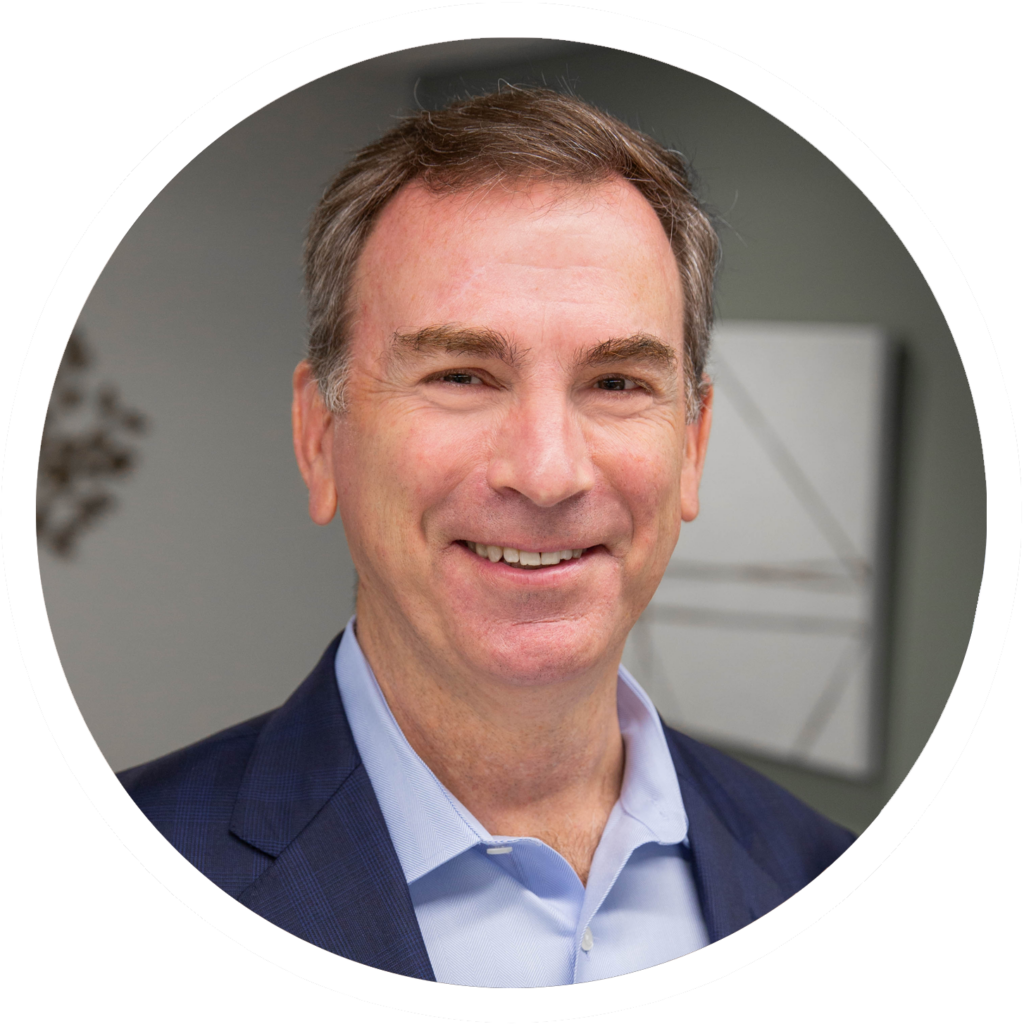
Scott Higgins | AIF ®, CFP®, CPFA®, NSSA®

Financial Advisor

Securities and Investment Advisory Services Offered Through M Holdings Securities, Inc., a Registered Broker/Dealer and Investment Adviser, Member FINRA/SIPC. Rose Street Advisors is independently owned and operated. #5887169

Interested in more?

Let's Talk Proactive HR

When most people think about financial planning, they picture investments, returns, or picking the “right” funds in their retirement plan.

But meaningful financial progress doesn’t start there.

It starts with you; your values, your goals, and what truly matters in your life.

Financial life planning is not about chasing performance. It’s about building a thoughtful, coordinated process that aligns every part of your financial life with the life you want to live.

  1. 1. Start With What Matters Most

Before any numbers or strategies come into play, take a step back and reflect:

  • What does a fulfilling life look like to me?
  • What are my top priorities. Now and in the future?
  • What does retirement mean beyond just “not working”?

For some, it’s freedom and flexibility. For others, it’s security, family, or the ability to give back.

Your financial plan should reflect these answers. Not someone else’s definition of success.

Clarity here drives every decision that follows.

  1. 2. Build Around Your Goals. Not Just Your Accounts

Once your priorities are clear, your financial strategy should begin to take shape. This is where a true planning process comes into focus.

It’s not just about your workplace retirement plan.   It’s about how all the pieces of your financial life work together, including:

  • Retirement income planning – How your savings turn into a reliable paycheck in retirement
  • Asset location – Placing investments in the right types of accounts (tax-deferred, Roth, taxable)
  • Tax planning – Being thoughtful about how and when income is recognized
  • Insurance planning – Protecting against risks that could derail your progress
  • Estate and legal planning – Ensuring your wishes are carried out and your family is supported

Each of these areas plays a role. When coordinated well, they create a more complete and resilient plan.

  1. 3. Focus on What You Can Control

A disciplined approach emphasizes the factors you can actually influence:

  • Saving consistently
  • Keeping costs low
  • Maintaining appropriate diversification
  • Staying invested through market cycles

Markets will move and sometimes unpredictably. A sound plan doesn’t try to outguess those movements. Instead, it’s built to endure them.

This is where process matters more than prediction.

  1. 4. Invest With Purpose

Your investment strategy should reflect your goals, time horizon, and comfort with risk. Not short-term headlines.

That means:

  • Avoiding emotional decisions during market volatility
  • Maintaining a diversified portfolio aligned with your plan
  • Understanding that risk and return are connected

The goal isn’t to eliminate risk, it’s to take the right amount of risk for your situation so you can stay on track.

  1. 5. Revisit and Adjust Over Time

Life changes and your plan should, too.

As your career evolves, your family grows, or retirement gets closer, your priorities may shift. Regular check-ins help ensure your strategy continues to align with what matters most.

Think of financial planning as an ongoing relationship with your future and not a one-time event.

A Real-Life Example

Consider Laura, a 42-year-old employee participating in her company’s retirement plan.

At first, Laura focused only on her 401(k), contributing enough to get the match and choosing a few funds she felt comfortable with. But she wasn’t sure if she was truly on track.

When she stepped back and went through a financial life planning process, a few important things became clear:

  • Her top priority wasn’t early retirement. It was flexibility in her late 50s to scale back work and spend more time with family.
  • She realized most of her savings were in pre-tax accounts, so she began adding Roth contributions to improve future tax flexibility.
  • She updated her beneficiaries and estate documents, something she hadn’t revisited in years.
  • She reviewed her insurance coverage to ensure her family would be protected if something unexpected happened.
  • And importantly, she began thinking about how her savings would translate into retirement income, not just an account balance.

Nothing about Laura’s situation required a drastic change. Instead, small, thoughtful adjustments, aligned with what mattered most to her, helped create a clearer, more confident path forward.

Bringing It All Together

Financial life planning is about connecting the dots.

It’s aligning your:

  • Goals
  • Investments
  • Income
  • Taxes
  • Protection strategies
  • Legacy wishes

…into one cohesive plan designed around you.

When each piece is working together, decisions become clearer and more intentional.

Final Thought

You don’t need to have everything figured out today.

Start with what matters most. Build a process around it. Stay consistent.

Over time, those thoughtful decisions can turn into something much more meaningful than just financial progress.  They can support a life that truly reflects who you are and what you value.

Scott Higgins | AIF ®, CFP®, CPFA®, NSSA®

Financial Advisor

Securities and Investment Advisory Services Offered Through M Holdings Securities, Inc., a Registered Broker/Dealer and Investment Adviser, Member FINRA/SIPC. Rose Street Advisors is independently owned and operated. #5653321

Interested in more?

Let's Talk Proactive HR
Managing money has never felt more complex. Rising costs, competing priorities, and the pressure to make smart financial decisions can leave anyone feeling uncertain. If you’ve ever questioned whether you’re budgeting correctly, saving enough, or choosing the right investments, you’re in good company. That’s why financial wellness matters so much in 2026. It’s not about mastering every financial concept. It’s about having the knowledge, tools, and confidence to make steady, informed decisions, both inside and outside your retirement plan.

Financial Stress Reaches Far Beyond Your Wallet

Money worries don’t stay neatly tucked away at home. They often show up as: • Difficulty staying focused at work • Anxiety about surprise expenses • Doubt about long‑term financial security Strengthening your financial wellness starts with the fundamentals: understanding your cash flow, building savings habits, and using available resources to reduce stress and improve stability.

Your Retirement Plan Is Just One Piece of the Puzzle

Your workplace retirement plan is a powerful tool for long‑term savings, but it’s not the whole story. Many people still feel unsure about how much to contribute, how to choose investments, or whether pre‑tax or Roth contributions make sense for them.   Financial wellness education helps you:   • Understand how your retirement plan fits into your broader financial life • Make confident decisions about contributions and investment options • See retirement savings as part of a larger strategy, not your only strategy   When you understand your plan, it becomes a foundation you can build on, not a source of confusion.

Budgeting and Saving: The Core of Financial Wellness

Before investing beyond your retirement plan, strong budgeting and saving habits create the stability you need. Even small steps can make a meaningful difference: • Tracking where your money goes • Building an emergency fund • Automating savings when possible • Setting realistic, achievable goals Financial wellness is about progress, not perfection. Every step you take strengthens your financial foundation.

Investing Beyond Your Workplace Plan

Once your budget and emergency savings are in place, exploring additional investment options can help you grow wealth over time. This might include: • Individual retirement accounts (Traditional IRA or Roth IRA) • Brokerage accounts for long‑term investing • High‑yield savings accounts for short‑term goals • Health savings accounts (HSAs), if available Understanding these tools empowers you to build a financial strategy that supports both your present and future needs.

You Don’t Have to Navigate This Alone

Many employers now offer financial education, tools, and resources to help employees make sense of budgeting, saving, and investing. These programs aren’t about judging where you are, they’re about helping you move forward with clarity and confidence. Using these resources can help you: • Ask better questions • Make informed financial decisions • Align your choices with your personal goals

Looking Ahead

Financial wellness isn’t about quick fixes or perfect decisions. It’s about building habits, understanding your options, and feeling more confident about your financial future. In 2026 and beyond, small steps, whether improving your budget, increasing savings, or exploring investments outside your retirement plan, can reduce stress and put you on a stronger path for tomorrow.

Scott Higgins | AIF ®, CFP®, CPFA®, NSSA®

Financial Advisor

Securities and Investment Advisory Services Offered Through M Holdings Securities, Inc., a Registered Broker/Dealer and Investment Adviser, Member FINRA/SIPC. Rose Street Advisors is independently owned and operated. #5344919

Interested in more?

Let's Talk Proactive HR
Rose Street Advisors

Your guide from hire to retire. Rose Street Advisors provides the strategy companies need to grow with confidence.

Firm
About UsOur TeamCommunity SupportTestimonials
Services
Employee BenefitsHR ConsultingLife InsuranceEmployer Retirement PlansWealth ManagementFiduciary Fitness
Contact

244 North Rose Street
Kalamazoo, MI 49007

5181 Plainfield Ave NE
Grand Rapids, MI 49525

269.552.3200
© 2026 Rose Street Advisors LLC. All rights reserved.
Securities and Investment Advisory Services Offered Through M Holdings Securities, Inc. A Registered Broker/Dealer and Investment Advisor, Member FINRA/SIPC. Rose Street Advisors is independently owned and operated. Please go to www.mfin.com/DisclosureStatement for further details regarding this relationship. Check the background of this Firm and/or investment professional on FINRA's BrokerCheck. For important information related to M Securities, refer to the M Securities' Client Relationship Summary (Form CRS) by navigating to mfin.com/m-securities. Registered Representatives are registered to conduct securities business and licensed to conduct insurance business in limited states. Response to, or contact with, residents of other states will only be made upon compliance with applicable licensing and registration requirements. The information in this website is for U.S. residents only and does not constitute an offer to sell, or a solicitation of an offer to purchase brokerage services to persons outside of the United States. This site is for information purposes and should not be construed as legal or tax advice and is not intended to replace the advice of a qualified attorney, financial or tax advisor or plan provider. CA Insurance License. File #5757992.1

We value your privacy

We use cookies to keep this site reliable, understand how it’s used, and — with your permission — to personalize content. You can accept all, reject non-essential, or choose which categories to allow.

Privacy Policy

Cookie Preferences