Rose Street Advisors Rose Street Advisors
Firm
About UsOur TeamM Financial GroupEducation LibraryCommunity SupportTestimonials
Benefits
Employee Benefit ServicesBenefits FAQBenefits University Blog
HR Consulting
HR Consulting ServicesHR BlogRose Street Recruits
Life Insurance
Life Insurance ServicesLife Happens BlogLife Insurance Vlog
Employer Retirement Plans
Retirement ServicesFiduciary Fitness ProgramGuide to Retirement BlogRetirement Plans FAQ
Wealth Management
Wealth Management ServicesInvestED BlogWealth Management FAQs
Get In Touch
Firm
About UsOur TeamM Financial GroupEducation LibraryCommunity SupportTestimonials
Benefits
Employee Benefit ServicesBenefits FAQBenefits University Blog
HR Consulting
HR Consulting ServicesHR BlogRose Street Recruits
Life Insurance
Life Insurance ServicesLife Happens BlogLife Insurance Vlog
Employer Retirement Plans
Retirement ServicesFiduciary Fitness ProgramGuide to Retirement BlogRetirement Plans FAQ
Wealth Management
Wealth Management ServicesInvestED BlogWealth Management FAQs
Get In Touch

Retirement Planning for Small Business Owners: A Smart Approach to Business and Personal Wealth

As a small business owner, you’re often focused on running and growing your company such as managing employees, balancing cash flow, and planning for the next big opportunity. But one area that can easily slip down the priority list is your own retirement planning. Unlike employees who may rely on an employer’s retirement plan, small business owners are responsible for creating both the structure and the funding of their future financial security.

The good news: with the right strategies, you can build a retirement plan that not only helps secure your future but also supports your business goals today.

Why Retirement Planning is Different for Small Business Owners

Unlike employees, small business owners wear two hats: 

• Business Owner: focused on growth, operations, and legacy.

• Individual Investor: focused on personal wealth and long-term security.

The challenge lies in separating these two worlds. Many owners reinvest profits back into the business and delay saving for retirement, assuming the eventual sale of the business will provide for their future. While that may work for some, it creates risk if market conditions or the valuation don’t align with expectations. A strong retirement plan helps diversify wealth and reduce dependency on a single outcome.

Step One: Separate Business and Personal Wealth

Think of your finances as two buckets: 

• Business Wealth: the value of your company, cash flow, and any reinvested profits. 

• Personal Wealth: retirement savings, investments, and assets outside the business.

The key is to consistently transfer some business profits into personal accounts. This helps ensure your future financial security isn’t tied solely to the business’s success.

Step Two: Explore Retirement Plan Options

Small business owners have flexible retirement plan choices depending on business size, goals, and cash flow. Here are a few common options:

• SEP IRA: Simple, low-cost, and flexible may be best for sole proprietors or very small businesses.

• SIMPLE IRA: Works well for businesses with fewer than 100 employees, easy to administer, with required contributions.

• Solo 401(k): Ideal for one-person businesses or businesses with a spouse as the only employee; allows higher contribution limits.

• Traditional 401(k): Scales well for growing businesses, provides tax benefits, and attracts/retains employees. 

Each plan has unique rules on contributions, tax advantages, and administration. The right fit depends on your business goals and whether employee benefits are part of the picture.

Step Three: Balance Growth and Security

Reinvesting profits in your business can yield high returns, but it also concentrates your risk. By setting aside money in a retirement account, you create a safety net and diversify your long-term wealth. Many successful owners adopt a strategy of disciplined contributions of allocating a set percentage of profits each year to retirement savings, no matter what.

Step Four: Plan for an Exit Strategy

At some point, every owner transitions out of their business; whether through sale, succession, or closure. Your retirement planning should include:

• Valuation of the business to understand what it may be worth.

• Succession planning if family or employees are potential successors.

• Diversification of personal assets to ensure your financial future doesn’t rely solely on the business sale.

The Advisor's Role

As your plan advisor, my role is to help you evaluate options, separate business and personal goals, and create a strategy that works today and in the future. Whether that means designing a 401(k) for your company, guiding you on contribution strategies, or coordinating with your CPA and attorney on tax and estate considerations, the goal is the same: give you confidence that your hard work today translates into financial security tomorrow.

Final Thought

Running a small business is demanding, but your retirement shouldn’t be an afterthought. By taking a proactive, structured approach, you can protect your future, reduce risk, and enjoy the financial clarity that comes from knowing both your business and personal wealth are working together for your long-term success.

Click here to access our Retirement Planning Checklist for Small Business Owners
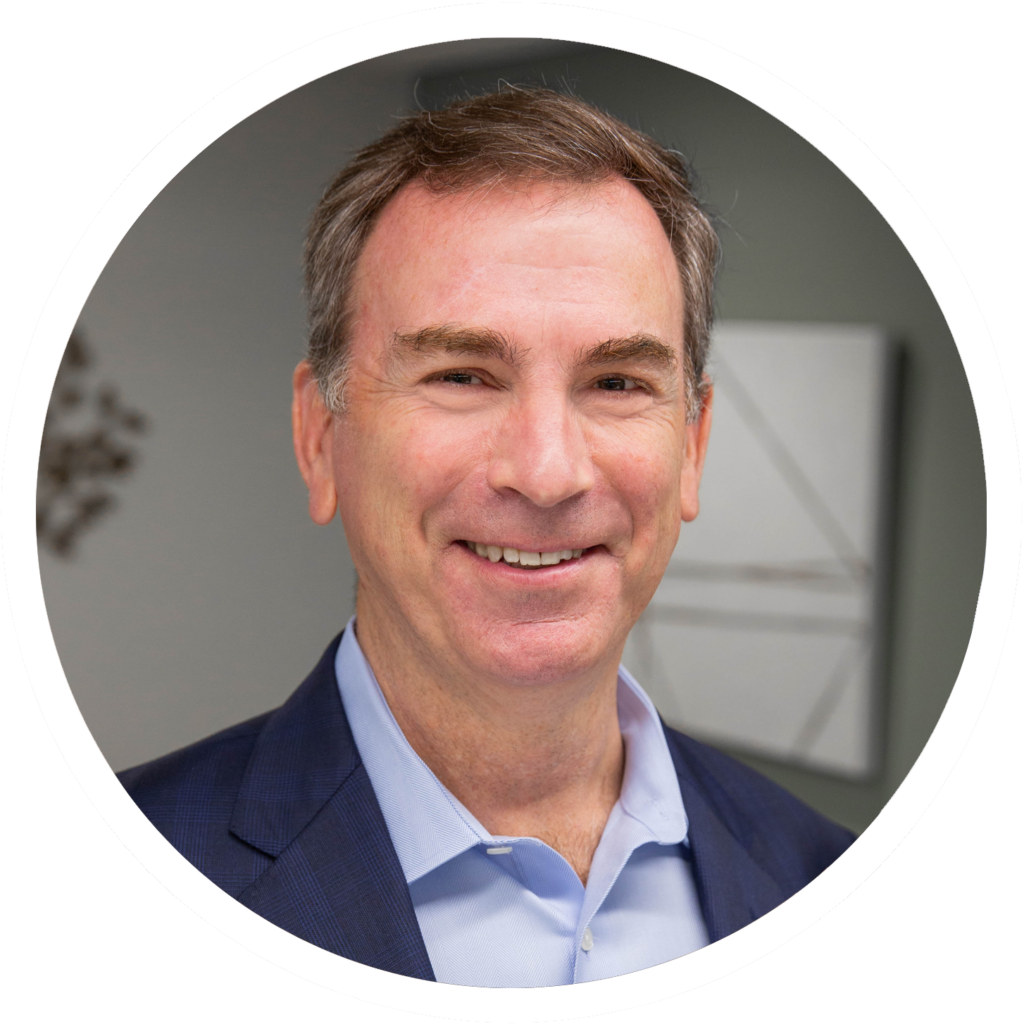
Scott Higgins | AIF ®, CFP®, CPFA®, NSSA®

Financial Advisor

Securities and Investment Advisory Services Offered Through M Holdings Securities, Inc., a Registered Broker/Dealer and Investment Adviser, Member FINRA/SIPC. Rose Street Advisors is independently owned and operated. #4781648


Roth Catch-Up Contributions - Are You Ready for January 1, 2026?

Starting January 1, 2026, a key provision of SECURE 2.0 will officially take effect: Roth Catch-Up Contributions will be mandatory for certain high-income earners aged 50 and older. This change, originally slated for 2024, was delayed giving plan sponsors, recordkeepers, and payroll providers time to prepare. Now, with the final regulations released by the IRS and Treasury Department, the countdown is real.

What's Changing?

Under the new rule, participants aged 50+ earning more than $145,000 in prior-year wages must make their catch-up contributions on a Roth (after-tax) basis. Traditional pre-tax catch-up contributions will no longer be allowed for this group.

This shift is designed to enhance retirement savings flexibility and tax diversification, but it also introduces operational complexity for plan sponsors.

What You Need To Do Now

With the effective date fast approaching, plan sponsors should take the following steps:


• Confirm with your recordkeeper that Roth catch-up functionality is enabled and tested.

• Coordinate with your payroll provider to ensure wage tracking and Roth designation are properly configured.

•  Review participant communications to ensure employees understand the change and its impact. 

• Consult resources like Fidelity's Roth Catch-Up Resource Center for implementation guidance.

Helpful Resources

• NAPA: What's the Actual Effective Date? - Clarifies the timeline and compliance expectations. 

• 401k Specialist: IRS Final Regulation Summary - Details on the finalized rules. 

• SPARK Guide for DC Plans - Practical implementation tips. 

Final Thoughts

January 2026 may feel distant, but the groundwork must be laid now. Don’t wait until year-end to discover gaps in your systems or communications. Confirm with your partners today and ensure your plan is ready to go.

Scott Higgins | AIF ®, CFP®, CPFA®, NSSA®

Financial Advisor

Securities and Investment Advisory Services Offered Through M Holdings Securities, Inc., a Registered Broker/Dealer and Investment Adviser, Member FINRA/SIPC. Rose Street Advisors is independently owned and operated. #4843970

Top 5 Things to Consider in Retirement

For many people, retirement feels like the finish line but in reality, it’s the start of a whole new chapter. Whether you’re just a few years away or already in your first years of retirement, the decisions you make now can shape your lifestyle  for decades.

Here are five key areas to consider as you plan for a secure and fulfilling retirement:

1. Income Sources - Building Your Retirement Paycheck

The biggest shift in retirement is moving from earning a paycheck to creating one. Most people rely on a mix of income sources:

• Social Security provides a foundation, but the timing of when you claim can significantly impact your benefit. For example, claiming at 62 could reduce your monthly benefit by up to 30%, while waiting until age 70 increases it.

• Pensions (if you have one) often offer options like a lump sum or monthly payment — each with pros and cons depending on your needs and life expectancy.

• Personal savings and investments fill the gap, whether from a 401(k), IRA, or taxable accounts.

The key is coordinating these income streams so you know how much is coming in and when. Think of it as building your own retirement “paycheck.”

2. Spending Needs - Creating a Realistic Budget

Your expenses in retirement will likely look different than they did while working, but they won’t go away. Some retirees see costs drop, while others discover new expenses.

Common categories include: 


• Healthcare - Medicare doesn't cover everything, and premiums, prescriptions, or long-term care can add up. 

• Travel and Leisure - Many people want to take that big trip or pursue hobbies they never had time for.

•  Housing - Downsizing or relocating can lower costs, but property taxes and maintenance may still be significant.

•  Everyday Living: Groceries, utilities, insurance, and transportation remain steady expenses.

A good rule of thumb is to plan for 70–80% of your pre-retirement income to maintain your lifestyle. Tracking your spending for a few months before retiring can help you set realistic expectations

3. Investment Strategy - Balancing Growth and Protection

Retirement doesn’t mean you stop investing. In fact, your money may need to last 25–30 years or more. The challenge is finding the right balance between growth and safety:

• Growth Investments - (like stocks) help protect against inflation so your money keeps its buying power.

• Stability Investments  - (like bonds or CDs) provide predictable income and reduce volatility.

For example, a retiree with a $1 million portfolio who leaves everything in cash risks losing purchasing power over time. On the other hand, someone who invests too aggressively could face steep losses during a market downturn. The sweet spot is usually a diversified mix that matches your risk tolerance and spending needs.

Taxes - Making Your Money Last Longer

Taxes in retirement can be more complicated than many expect. Withdrawals from traditional IRAs or 401(k)s are taxed as ordinary income, while Roth accounts provide tax-free withdrawals. Social Security benefits may also be taxable depending on your income.

One strategy is to be intentional about which accounts you draw from first. For example:

• Using taxable accounts early may allow your retirement accounts to grow longer. 

• Roth conversions before age 73 can reduce future required minimum distributions (RMDs). 

Smart tax planning can stretch your retirement savings and help avoid unpleasant surprises come April 15th.

5. Legacy and Long-Term Care - Planning Beyond Yourself

Finally, think about what happens beyond your day-to-day needs. Two areas are especially important:

• Long Term Care: Nearly 70% of retirees will need some form of care at some point. Options include self-funding, long-term care insurance, or hybrid life insurance policies that include care benefits.

Estates and Legacy Planning: Do you want to leave assets to children, grandchildren, or a favorite charity? Having a will, powers of attorney, and beneficiary designations up to date ensures your wishes are carried out smoothly.

Even small steps, like organizing your accounts and documents, can make things much easier for loved ones later on.

Final Thoughts

Retirement isn’t just about reaching a financial number — it’s about having confidence in your plan and clarity in how you’ll spend your time and resources. By carefully considering your income, spending, investments, taxes, and legacy, you can set yourself up for a retirement that’s not only secure but deeply fulfilling.

Every situation is unique, and what works for one person may not fit another. Talking to a financial advisor can help you sort through your options and design a plan that works best for you.

Scott Higgins | AIF ®, CFP®, CPFA®, NSSA®

Financial Advisor

Securities and Investment Advisory Services Offered Through M Holdings Securities, Inc., a Registered Broker/Dealer and Investment Adviser, Member FINRA/SIPC. Rose Street Advisors is independently owned and operated. #4786058

How Plan Sponsors Can Help Employees Retire on Time: Turning Plan Design into Positive Outcomes

As a corporate plan sponsor, your role in your employees’ retirement journey is more significant than you might think. Yes, you’re responsible for managing the mechanics of the plan and meeting fiduciary obligations.  But beyond that, you have the opportunity to shape outcomes that deeply affect your employees’ futures. One of the most valuable gifts you can offer is the ability for participants to retire on time, with financial security and dignity. 

Yet far too many American workers aren’t on track. According to a recent survey by the Employee Benefit Research Institute (EBRI), only 1 in 5 workers feel “very confident” they will have enough money to live comfortably throughout retirement. The causes are complex—low savings rates, competing financial priorities, and a lack of clear guidance—but the good news is, thoughtful plan design can make a meaningful difference. 

In this post, we’ll explore how corporate plan sponsors can use three key strategies to help improve participant outcomes: 

• Automatic features (auto-enrollment and auto-escalation) 

• Financial wellness programs 

• Target date fund alignment 

Let’s take a closer look at each—and see how they can move the needle toward better retirement readiness. 

1. Auto Features: Participation and Savings on Autopilot

One of the most common roadblocks to retirement saving is inertia. People know they should save, but life gets in the way. Bills are due, kids need clothes, and the retirement plan enrollment form gets pushed to the bottom of the pile. 

That’s why auto-enrollment and auto-escalation are such powerful tools. By flipping the default from “opt-in” to “opt-out,” you nudge employees to start saving without relying on them to take the first step. 

Real-World Example: Boosting Participation Through Auto-Enrollment 

Consider the example of a mid-sized manufacturing firm with 200 employees. Prior to implementing auto-enrollment, only about 58% of eligible employees were participating in the company’s 401(k) plan. Despite regular educational sessions and email campaigns, participation plateaued. 

After consulting with their retirement plan advisor, the company introduced auto-enrollment at 3% of pay for all new hires and added auto-escalation of 1% per year, capping at 10%. 

The result? Within 12 months, plan participation rose to 91%, with average deferral rates increasing from 4.2% to 6.7%. Not only were more employees saving, but they were saving more. 

That’s the power of default settings. They meet employees where they are and guide them toward better decisions without requiring perfect financial discipline. 

Best Practices for Auto Features 

• Start with at least 6% as the default contribution rate to promote meaningful savings. 

• Pair auto-enrollment with auto-escalation to grow savings over time. 

• Re-enroll existing employees annually or during life events to boost ongoing participation. 

2. Financial Wellness: Helping Employees Solve the Right Problems

Let’s face it,  retirement isn’t the only financial concern on your employees’ minds. Many are juggling credit card debt, student loans, rising childcare costs, or simply trying to build an emergency fund. 

Financial stress is one of the biggest barriers to retirement saving. 

That’s where financial wellness programs come in. These programs provide holistic education and resources to help employees address their broader financial lives from budgeting and debt management to saving for retirement and understanding insurance. 

When employees feel more in control of their finances, they’re more likely to participate in retirement plans and contribute consistently.

Ideas for Enhancing Financial Wellness 

• Offer financial coaching (virtual or in-person) as part of your benefits package. 

• Provide interactive tools and calculators within the retirement platform. 

• Partner with your recordkeeper to host on-demand webinars or in-person workshops. 

• Measure engagement with these resources and adjust based on feedback. 

Tip: If your retirement plan provider offers a financial wellness hub, promote it through onboarding, annual enrollment, and internal communications. Awareness is half the battle.  

3. Target Date Funds: One Fund, Many Benefits

Most participants aren’t investment experts and they shouldn’t have to be. That’s why target date funds (TDFs) are the default investment of choice in most corporate retirement plans. 

TDFs automatically adjust the mix of stocks and bonds based on the participant’s retirement date. They’re easy to understand, low maintenance, and well-diversified. 

But as a plan sponsor, your job isn’t just to offer TDFs. It’s to make sure the ones you offer are aligned with your workforce’s needs. 

What to Watch For in TDF Design 

• Glidepath philosophy: Is it “to” retirement (becomes conservative at retirement) or “through” retirement (remains growth-oriented after retirement)?  

• Workforce demographics: Younger, lower-income employees may need a more growth-oriented TDF to build assets.  

• Cost and transparency: Ensure the funds are reasonably priced and clearly disclose fees. . 

Regularly review your TDF lineup with your advisor or investment committee. If your population is diverse, you may even consider offering multiple TDF suites or personalized managed accounts.   

Putting it All Together: A Culture of Retirement Readiness

Improving participant outcomes doesn't happen by accident, it happens by design. 

Here's how you can start moving the dial: 

Action Why It Matters

Implement or raise auto-enrollment

Captures more participants early and eliminates inertia

Add auto-escalation

Encourages long-term savings growth

Introduce financial wellness resources 

Helps employees balance competing financial needs

Review and align your TDF lineup

Ensures investment options match participant profiles

Communicate consistently

Reinforces engagement and boosts trust in the plan

Even modest changes, like increasing the default contribution rate or adding a budgeting tool can produce significant long-term benefits for your employees. 

And when your people are financially prepared to retire, everyone wins. Employees transition with confidence. Turnover can become more predictable. And your organization earns a reputation as a workplace that truly cares about long-term financial health. 

Final Thoughts

As a corporate plan sponsor, you hold the keys to helping your employees retire on time. That’s not just a fiduciary role, it’s a leadership opportunity. By making smart design decisions today, you can unlock better futures for tomorrow. 

If you’re ready to assess your plan’s impact on retirement readiness or explore how to implement these strategies, connect with your advisor or provider for a plan review. The right steps now can lead to measurable results and lasting financial clarity for your employees. 

Scott Higgins | AIF ®, CFP®, CPFA®, NSSA®

Financial Advisor 

Since 2012 at Rose Street, Scott has been responsible for helping the firm’s individual wealth management clients with income strategies for retirement and consulting with employers with their employee retirement plans. In free time, he enjoys golf, biking, skiing, cooking, and traveling. Fun Fact, Scott has a hobby of filling growlers with coins!

Securities and Investment Advisory Services Offered Through M Holdings Securities, Inc., a Registered Broker/Dealer and Investment Adviser, Member FINRA/SIPC. Rose Street Advisors is independently owned and operated. #4520200

It is officially Summer!  Favorite summer past times of grilling burgers, hotdogs, swimming, boating, gardening, camping and just spending time outside is here.  A staple in many American refrigerators in the summertime, and throughout the year, is Ketchup.  Ketchup has a way of giving those grilling favorites that much needed edge to just simply make it better.  Just like ketchup gives our grilling favorites the edge needed, catch-up contributions in a 401k can serve the same purpose. 

If you or someone you love is still working and is or going to turn 50 this year, while the normal contribution limit to a 401k/403b plan is $23,000 for 2024, those 50 and older can make catch-up contributions of an additional $7,500, totaling $30,500.  The extra amount contributed can really give an investor’s portfolio the extra boost needed to stay on track or get back on track for retirement goals. 

On December 29, 2022, Congress passed the SECURE 2.0 Act, which stands for Setting Every Community Up for Retirement Enhancement.  Several of the provisions outlined in the act have delayed start dates.  Beginning in 2025, Section 109 of the SECURE 2.0 Act allows employees who are 60-63 years old to contribute at a “super” catch-up rate!  The super catch-up allows for investors to make an additional 50% increase to the $7,500, which would result in $11,250 in additional catch-up contributions in 2025.  This catch-up contribution is planned to index to inflation and could mean possibly more contributions in future years.

If you have questions or want to learn more, please reach out and let's chat.

 
Securities and Investment Advisory Services offered through M Holdings Securities, Inc., a Registered Broker/Dealer and Investment Advisor, Member FINRA/SIPC. Rose Street Advisors, LLC is independently owned and operated. File # 6718069.1

Jeremy Heavey

AIF ® | FINANCIAL ADVISOR

Jeremy is passionate about partnering with individuals and families to identify what is important in their lives and creating a comprehensive financial strategy to help them reach their life goals. This holistic approach allows Jeremy and the wealth management team to ensure the specific needs of the client are front and center as they make investment recommendations and collaboratively design custom-tailored financial plans.

Jeremy has a professional track record starting, leading, and managing for-profit and non-profit organizations.  He is a graduate of Taylor University and has completed business programs at both Hong Kong Baptist University & Harvard Business School.  Jeremy is also formally trained and certified in behavioral assessment, conflict management and life coaching.  Jeremy, his wife Kim and their 4 kids reside in Kalamazoo.  They love spending time exploring the outdoors, fixing up their farmhouse, and living life with friends and extended family.

Fun fact:  Jeremy has been playing drums since he was 13 years old and made callbacks for the Blue Man Group.

Interested in more?

Let's Talk Proactive HR
Are you looking for a Financial Advisor in Kalamazoo?  Finding the right financial advisor to partner with you and your family is crucial in helping you work towards your goals.  Whether you're planning for retirement, managing investments, seeking advice on holistic financial planning or all of the above, a skilled financial advisor is a critical part of your team.  As you are seeking to find the best financial advisor for YOU, consider these 5 tips:

1. Define Your Financial Goals

Before you start your search for a financial advisor, it's crucial to have a clear understanding of your financial goals and objectives. Are you looking for retirement planning, investment management, debt reduction strategies, or comprehensive financial planning or maybe some or all of the above? Knowing your specific needs will help you narrow down your search and find an advisor with expertise in the areas that matter most to you.

2. Learn How they Are Licensed

When considering potential financial advisors, it's essential to learn how they are licensed. There are 2 distinct ways to be licensed, as a fee-based fiduciary advisor or a commissioned-based broker.  Depending on your needs and desires, one might be a better fit than the other.  Look for advisors who hold reputable certifications such as Certified Financial Planners (CFP), Certified Financial Analysts (CFA) or Accredited Investment Fiduciaries (AIF). These designations require education, experience, and ethical standards, ensuring that your advisor has the necessary expertise to provide sound financial advice.

3. Seek Recommendations and Referrals

One of the most reliable ways to find a trustworthy financial advisor is through recommendations from friends, family, or colleagues who have had positive experiences. Ask people in your network if they can recommend an advisor they trust and/or ask your advisor if they can share some references you can contact. Additionally, you can consult with professionals in related fields, such as attorneys or accountants, who often work with financial advisors and may provide referrals.

4. Interview Potential Advisors

Once you've compiled a list of potential advisors, schedule initial interviews or consultations. Advisors who are serious about working with you will usually provide a complimentary consultation.  This is an opportunity to get to know the advisors and assess their compatibility with your financial goals and personal values. During these meetings, ask questions about their investment philosophy, fee structure, and client services. Pay attention to their communication style and willingness to listen to your concerns and objectives.

5. Understand Fee Structures

Financial advisors charge in various ways, including commissions, flat fees, hourly rates, or a percentage of assets under management. It's essential to understand how your potential advisor charges for their services and how this fee structure aligns with your financial situation, goals and preferences. Be transparent about your expectations to ensure there are no surprises down the road.

Choosing the right financial advisor in Kalamazoo is a significant decision that can have a lasting impact on your financial well-being. By defining your goals, checking qualifications, seeking recommendations, interviewing potential advisors, and understanding fee structures, you can make an informed choice that aligns with your financial objectives. Remember that trust, compatibility, and open communication are key factors in building a successful advisor-client relationship. 

At Rose Street Advisors, we often tell our clients and potential clients that the more we know about them, the better we can put together a tax-efficient holistic financial life plan, build and manage a diversified portfolio and serve as their personal CFO, helping guide them towards their goals.  Want to know more?  We are always happy to have a chat.

 
Securities and Investment Advisory Services offered through M Holdings Securities, Inc., a Registered Broker/Dealer and Investment Advisor, Member FINRA/SIPC. Rose Street Advisors, LLC is independently owned and operated. File # 6439955.1

Jeremy Heavey

AIF ® | FINANCIAL ADVISOR

Jeremy is passionate about partnering with individuals and families to identify what is important in their lives and creating a comprehensive financial strategy to help them reach their life goals. This holistic approach allows Jeremy and the wealth management team to ensure the specific needs of the client are front and center as they make investment recommendations and collaboratively design custom-tailored financial plans. Jeremy has a professional track record starting, leading, and managing for-profit and non-profit organizations.  He is a graduate of Taylor University and has completed business programs at both Hong Kong Baptist University & Harvard Business School.  Jeremy is also formally trained and certified in behavioral assessment, conflict management and life coaching.  Jeremy, his wife Kim and their 4 kids reside in Kalamazoo.  They love spending time exploring the outdoors, fixing up their farmhouse, and living life with friends and extended family. Fun fact:  Jeremy has been playing drums since he was 13 years old and made callbacks for the Blue Man Group.

Interested in more?

Let's Talk Proactive HR

Less Tax for You.  More Money to the Charity.  Nothing for the Government.  What’s not to love?

When you reach 73 years old, you are required to start taking minimum distributions from your traditional IRAs and certain other retirement accounts. These distributions are generally subject to income tax. If you are charitably inclined, you may be able to satisfy all or a portion of your required minimum distribution, lower your taxable income and give more to the charity by utilizing a special provision called a Qualified Charitable Distribution (QCD).  A QCD allows you to donate funds directly from your traditional Individual Retirement Accounts (IRAs) to eligible charitable organizations. The donated amount counts towards your Required Minimum Distribution (RMD) for the year AND is excluded from your taxable income.  This can result in a lower overall tax liability for you and potentially more money going directly to the charity.

As you seek ways to help to optimize your financial situation while making meaningful contributions to society, QCDs provide a versatile tool to achieve both objectives. Before making any decisions, it's important to consult with a professional advisor who can help tailor this strategy to your specific circumstances and charitable goals. With proper planning, QCDs can serve as a win-win solution for retirees and the charitable organizations you support.


Securities and Investment Advisory Services offered through M Holdings Securities, Inc., a Registered Broker/Dealer and Investment Advisor, Member FINRA/SIPC. Rose Street Advisors, LLC is independently owned and operated. File # 5922845.1

Jeremy Heavey

AIF ® | FINANCIAL ADVISOR

Jeremy is passionate about partnering with individuals and families to identify what is important in their lives and creating a comprehensive financial strategy to help them reach their life goals. This holistic approach allows Jeremy and the wealth management team to ensure the specific needs of the client are front and center as they make investment recommendations and collaboratively design custom-tailored financial plans.

Jeremy has a professional track record starting, leading, and managing for-profit and non-profit organizations.  He is a graduate of Taylor University and has completed business programs at both Hong Kong Baptist University & Harvard Business School.  Jeremy is also formally trained and certified in behavioral assessment, conflict management and life coaching.  Jeremy, his wife Kim and their 4 kids reside in Kalamazoo.  They love spending time exploring the outdoors, fixing up their farmhouse, and living life with friends and extended family.

Fun fact:  Jeremy has been playing drums since he was 13 years old and made callbacks for the Blue Man Group.

Interested in more?

Let's Talk Proactive HR
A few years ago, I bought a smoker to smoke meat.  If you have ever smoked meat, you know that it takes a LONG time to cook, but it is SO worth it!  And because it takes so long, we typically smoke more meat than we need to so there are leftovers for days to come.  The leftover smoked meat makes incredible chili, tasty omelets, sandwiches and who knows what!  As a busy family with 4 kids, really good food that is leftover isn’t leftover for long!  If you have kids that are considering college, you have probably thought about ways to pay for it.  A popular option, for good reason, is a 529 Plan. A 529 is a tax favored account for education that grows tax-free and is not ever subject to tax if used for eligible education expenses. 529 Plans are state-specific, with each state having its own rules and limits*. But that is for another article!  For many of our clients, they have invested some money in a 529 plan but find themselves wondering – what happens if my kid doesn’t go to college, or we don’t spend all of it?  What do we do with the leftovers?

1.) Child's post-graduate education.

Most 529 plans allow this, so it's a great way to continue saving for your child's future education.

2.) Transfer the funds to another beneficiary.

This can be another child, grandchild, or even yourself if you decide to go back to school. As long as the new beneficiary is a qualified family member (spouse, son, daughter, son-in-law, daughter-in-law, niece, nephew, or their spouse, etc), you can use the funds for their education.

3.) Allocate up to $10k to be used for K-12 education expenses.

A new law in 2018 allows for private school tuition, books, and other related expenses to be paid with the leftover funds.

4.) Other education options.

Such as vocational schools, trade schools, and apprenticeships.

5.) Roll up to $35k* (lifetime limit per beneficiary) into a Roth IRA.

Beginning 2024 for the benefit of the student (not the parent or grandparent who funded the account).  *there has been some information released (in the SECURE Act 2.) at the end of December 2022) on the age of the 529 plan account, limits, etc but we are still waiting on some clarification from the Government on specifics.

6.) Withdraw the funds.

But be aware that if you use the funds for non-qualified expenses, you will have to pay taxes on the earnings and a 10% penalty. So, it's important to consider all other options before withdrawing the funds. There are several options for what to do with leftover funds in your 529 plan. Sometimes having leftovers is a great problem to have!  If you have questions, let’s chat…over lunch at a BBQ place! *Before investing, the investor should consider whether the investor or beneficiary’s home state offers any state tax or other benefits available only from that state’s 529 Plan.
Securities and Investment Advisory Services offered through M Holdings Securities, Inc., a Registered Broker/Dealer and Investment Advisor, Member FINRA/SIPC. Rose Street Advisors, LLC is independently owned and operated. File # 5646225.1

Jeremy Heavey

AIF ® | FINANCIAL ADVISOR

Jeremy is passionate about partnering with individuals and families to identify what is important in their lives and creating a comprehensive financial strategy to help them reach their life goals. This holistic approach allows Jeremy and the wealth management team to ensure the specific needs of the client are front and center as they make investment recommendations and collaboratively design custom-tailored financial plans. Jeremy has a professional track record starting, leading, and managing for-profit and non-profit organizations.  He is a graduate of Taylor University and has completed business programs at both Hong Kong Baptist University & Harvard Business School.  Jeremy is also formally trained and certified in behavioral assessment, conflict management and life coaching.  Jeremy, his wife Kim and their 4 kids reside in Kalamazoo.  They love spending time exploring the outdoors, fixing up their farmhouse, and living life with friends and extended family. Fun fact:  Jeremy has been playing drums since he was 13 years old and made callbacks for the Blue Man Group.

Interested in more?

Let's Talk Proactive HR
When I was 13 years old, I wanted to learn how to play the drums. I didn’t just want to play the snare drum alone, that’s boring. I wanted to rock out on the whole kit! When I first sat down and tried to play a full drum beat, it was overwhelming – how in the world am I going to get all my limbs doing different functions and actually have it sound good? The music teacher just told me to take a small step of practicing just 10-15 minutes a day. I started with just playing the hihat with my right hand and played that for a while until my brain put it on “auto-pilot” of sorts. Then I could add in the bass drum with my right foot. When playing the hi-hat and bass drum together started to become comfortable, I finally, after a bunch of tries, got the snare drum added with my left hand. I was playing a full beat! While I didn’t wake up a recording artist the next day, it was amazing how the small step of playing 10-15 minutes a day helped me achieve my goal! When we meet with new clients, they often share that their goal is to save enough money while working so that they can retire. We often hear, “how much should I be saving for retirement to be “on track?” While that prompts more questions like – how old you are now, what age do you want to retire, how much do you want to spend in retirement, will you earn some income in retirement, etc, a good number to target is at least 15% of your gross income. Why 15%? A recent study by Fidelity showed that if individuals invest 15% of their gross income into retirement, they can retire or stop having to earn an income at 67. A few questions might be coming to your mind right now….

1.) I have been investing, but I don’t know what percentage I have been using. How do I know if I am on track?

That same study by Fidelity shows a glidepath (in the chart below) for how much you should have saved by different ages to retire by 67. For example, by age 45, they suggest having 5x your income saved for retirement. By 50, 6x your income saved. How did they get to those numbers? They took 15% of the investors salary over their working years and added in an 8% growth rate.
https://www.fidelity.com/viewpoints/retirement/how-much-do-i-need-to-retire

2.) The second question on your mind might be - I know I am behind.

If you are behind, we would likely recommend saving more than 15% to start catching up. It is certainly easier said than done! Cutting back a little spending now so you can invest more goes a long way with the power of compound growth. There are a lot of ways to “catchup” - employer-sponsored plans, individual retirement accounts, HSAs, brokerage accounts, and insurance products. If you are 50 and over, the government allows some options for making additional catchup contributions for some employer-sponsored plans and Individual Retirement Accounts in a tax-deferred or post-tax manner. Depending on your income, it might make sense to make those retirement investments in a before tax or after-tax manner. Would you benefit from knowing what small steps make the most sense for you right now? Let’s chat. Wherever you are on your retirement journey, taking small steps towards your goal leads to big results…over time
Securities and Investment Advisory Services offered through M Holdings Securities, Inc., a Registered Broker/Dealer and Investment Advisor, Member FINRA/SIPC. Rose Street Advisors, LLC is independently owned and operated. File # 5595458.1

Jeremy Heavey

AIF ® | FINANCIAL ADVISOR

Jeremy is passionate about partnering with individuals and families to identify what is important in their lives and creating a comprehensive financial strategy to help them reach their life goals. This holistic approach allows Jeremy and the wealth management team to ensure the specific needs of the client are front and center as they make investment recommendations and collaboratively design custom-tailored financial plans. Jeremy has a professional track record starting, leading, and managing for-profit and non-profit organizations.  He is a graduate of Taylor University and has completed business programs at both Hong Kong Baptist University & Harvard Business School.  Jeremy is also formally trained and certified in behavioral assessment, conflict management and life coaching.  Jeremy, his wife Kim and their 4 kids reside in Kalamazoo.  They love spending time exploring the outdoors, fixing up their farmhouse, and living life with friends and extended family. Fun fact:  Jeremy has been playing drums since he was 13 years old and made callbacks for the Blue Man Group.

Interested in more?

Let's Talk Proactive HR
In June of 2020, our family was on the hunt for a large vehicle that could fit our 4 growing kids and tow our camper.  We found the perfect late model Yukon XL posted by a private owner on Facebook Marketplace in Chicago.  After a test drive, inspection and asking questions about it, it seemed to check out, drive well and had lower miles and a better price than others we saw online.  On the way home to Michigan from Chicago, the check engine light started blinking…when a light blinks, that is usually not a good thing.  We immediately pulled over and had the car scanned to learn the reason for the blinking and learned…the transmission was going out.  Yikes. Apparently, the car had to warm up more than a 20-minute test-drive to present the problem.  We called the person we bought it from to get some context and he replied, “We sold it as is.  We gave you a good deal on it.”  Yikes.  We have purchased many cars over the years and never had this experience.  When we meet with new clients, we often get questions like, how much should I be saving on a regular basis?  Certainly, each client’s situation is unique and requires a different strategy, but a great number to shoot for is 10% of your gross income into a high-interest savings account.  Why?

1. It prepares you for when the unexpected happens.

You never know when an unexpected expense pops up.  It is also great to have savings because unexpected opportunities (deals on a vacation spot, a chance to see your favorite sports team, etc) might pop up.  Having the money in a separate account typically takes 3 business days to get into your account, causing you to really consider whether you want to spend the money before calling in the reserves! 

2. It protects you in the event that you lose your income.

We like to see clients have 4-6 months of their bare-bones expenses saved.  If you lose a job, it allows you the opportunity not to rush into taking the first job that comes your way because you can live off your own savings – paying yourself.  When you calculate bare bones expenses, include your housing, food, car payments, insurances – car insurance, health insurance, homeowners, life insurance and other basic expenses.
Securities and Investment Advisory Services offered through M Holdings Securities, Inc., a Registered Broker/Dealer and Investment Advisor, Member FINRA/SIPC. Rose Street Advisors, LLC is independently owned and operated. File # 5492217.1

Jeremy Heavey

AIF ® | FINANCIAL ADVISOR

Jeremy is passionate about partnering with individuals and families to identify what is important in their lives and creating a comprehensive financial strategy to help them reach their life goals. This holistic approach allows Jeremy and the wealth management team to ensure the specific needs of the client are front and center as they make investment recommendations and collaboratively design custom-tailored financial plans. Jeremy has a professional track record starting, leading, and managing for-profit and non-profit organizations.  He is a graduate of Taylor University and has completed business programs at both Hong Kong Baptist University & Harvard Business School.  Jeremy is also formally trained and certified in behavioral assessment, conflict management and life coaching.  Jeremy, his wife Kim and their 4 kids reside in Kalamazoo.  They love spending time exploring the outdoors, fixing up their farmhouse, and living life with friends and extended family. Fun fact:  Jeremy has been playing drums since he was 13 years old and made callbacks for the Blue Man Group.

Interested in more?

Let's Talk Proactive HR
« Previous Page
Next Page »
Rose Street Advisors

Your guide from hire to retire. Rose Street Advisors provides the strategy companies need to grow with confidence.

Firm
About UsOur TeamCommunity SupportTestimonials
Services
Employee BenefitsHR ConsultingLife InsuranceEmployer Retirement PlansWealth ManagementFiduciary Fitness
Contact

244 North Rose Street
Kalamazoo, MI 49007

5181 Plainfield Ave NE
Grand Rapids, MI 49525

269.552.3200
© 2026 Rose Street Advisors LLC. All rights reserved.
Securities and Investment Advisory Services Offered Through M Holdings Securities, Inc. A Registered Broker/Dealer and Investment Advisor, Member FINRA/SIPC. Rose Street Advisors is independently owned and operated. Please go to www.mfin.com/DisclosureStatement for further details regarding this relationship. Check the background of this Firm and/or investment professional on FINRA's BrokerCheck. For important information related to M Securities, refer to the M Securities' Client Relationship Summary (Form CRS) by navigating to mfin.com/m-securities. Registered Representatives are registered to conduct securities business and licensed to conduct insurance business in limited states. Response to, or contact with, residents of other states will only be made upon compliance with applicable licensing and registration requirements. The information in this website is for U.S. residents only and does not constitute an offer to sell, or a solicitation of an offer to purchase brokerage services to persons outside of the United States. This site is for information purposes and should not be construed as legal or tax advice and is not intended to replace the advice of a qualified attorney, financial or tax advisor or plan provider. CA Insurance License. File #5757992.1

We value your privacy

We use cookies to keep this site reliable, understand how it’s used, and — with your permission — to personalize content. You can accept all, reject non-essential, or choose which categories to allow.

Privacy Policy

Cookie Preferences