Rose Street Advisors Rose Street Advisors
Firm
About UsOur TeamM Financial GroupEducation LibraryCommunity SupportTestimonials
Benefits
Employee Benefit ServicesBenefits FAQBenefits University Blog
HR Consulting
HR Consulting ServicesHR BlogRose Street Recruits
Life Insurance
Life Insurance ServicesLife Happens BlogLife Insurance Vlog
Employer Retirement Plans
Retirement ServicesFiduciary Fitness ProgramGuide to Retirement BlogRetirement Plans FAQ
Wealth Management
Wealth Management ServicesInvestED BlogWealth Management FAQs
Get In Touch
Firm
About UsOur TeamM Financial GroupEducation LibraryCommunity SupportTestimonials
Benefits
Employee Benefit ServicesBenefits FAQBenefits University Blog
HR Consulting
HR Consulting ServicesHR BlogRose Street Recruits
Life Insurance
Life Insurance ServicesLife Happens BlogLife Insurance Vlog
Employer Retirement Plans
Retirement ServicesFiduciary Fitness ProgramGuide to Retirement BlogRetirement Plans FAQ
Wealth Management
Wealth Management ServicesInvestED BlogWealth Management FAQs
Get In Touch

When most people think about financial planning, they picture investments, returns, or picking the “right” funds in their retirement plan.

But meaningful financial progress doesn’t start there.

It starts with you; your values, your goals, and what truly matters in your life.

Financial life planning is not about chasing performance. It’s about building a thoughtful, coordinated process that aligns every part of your financial life with the life you want to live.

  1. 1. Start With What Matters Most

Before any numbers or strategies come into play, take a step back and reflect:

  • What does a fulfilling life look like to me?
  • What are my top priorities. Now and in the future?
  • What does retirement mean beyond just “not working”?

For some, it’s freedom and flexibility. For others, it’s security, family, or the ability to give back.

Your financial plan should reflect these answers. Not someone else’s definition of success.

Clarity here drives every decision that follows.

  1. 2. Build Around Your Goals. Not Just Your Accounts

Once your priorities are clear, your financial strategy should begin to take shape. This is where a true planning process comes into focus.

It’s not just about your workplace retirement plan.   It’s about how all the pieces of your financial life work together, including:

  • Retirement income planning – How your savings turn into a reliable paycheck in retirement
  • Asset location – Placing investments in the right types of accounts (tax-deferred, Roth, taxable)
  • Tax planning – Being thoughtful about how and when income is recognized
  • Insurance planning – Protecting against risks that could derail your progress
  • Estate and legal planning – Ensuring your wishes are carried out and your family is supported

Each of these areas plays a role. When coordinated well, they create a more complete and resilient plan.

  1. 3. Focus on What You Can Control

A disciplined approach emphasizes the factors you can actually influence:

  • Saving consistently
  • Keeping costs low
  • Maintaining appropriate diversification
  • Staying invested through market cycles

Markets will move and sometimes unpredictably. A sound plan doesn’t try to outguess those movements. Instead, it’s built to endure them.

This is where process matters more than prediction.

  1. 4. Invest With Purpose

Your investment strategy should reflect your goals, time horizon, and comfort with risk. Not short-term headlines.

That means:

  • Avoiding emotional decisions during market volatility
  • Maintaining a diversified portfolio aligned with your plan
  • Understanding that risk and return are connected

The goal isn’t to eliminate risk, it’s to take the right amount of risk for your situation so you can stay on track.

  1. 5. Revisit and Adjust Over Time

Life changes and your plan should, too.

As your career evolves, your family grows, or retirement gets closer, your priorities may shift. Regular check-ins help ensure your strategy continues to align with what matters most.

Think of financial planning as an ongoing relationship with your future and not a one-time event.

A Real-Life Example

Consider Laura, a 42-year-old employee participating in her company’s retirement plan.

At first, Laura focused only on her 401(k), contributing enough to get the match and choosing a few funds she felt comfortable with. But she wasn’t sure if she was truly on track.

When she stepped back and went through a financial life planning process, a few important things became clear:

  • Her top priority wasn’t early retirement. It was flexibility in her late 50s to scale back work and spend more time with family.
  • She realized most of her savings were in pre-tax accounts, so she began adding Roth contributions to improve future tax flexibility.
  • She updated her beneficiaries and estate documents, something she hadn’t revisited in years.
  • She reviewed her insurance coverage to ensure her family would be protected if something unexpected happened.
  • And importantly, she began thinking about how her savings would translate into retirement income, not just an account balance.

Nothing about Laura’s situation required a drastic change. Instead, small, thoughtful adjustments, aligned with what mattered most to her, helped create a clearer, more confident path forward.

Bringing It All Together

Financial life planning is about connecting the dots.

It’s aligning your:

  • Goals
  • Investments
  • Income
  • Taxes
  • Protection strategies
  • Legacy wishes

…into one cohesive plan designed around you.

When each piece is working together, decisions become clearer and more intentional.

Final Thought

You don’t need to have everything figured out today.

Start with what matters most. Build a process around it. Stay consistent.

Over time, those thoughtful decisions can turn into something much more meaningful than just financial progress.  They can support a life that truly reflects who you are and what you value.
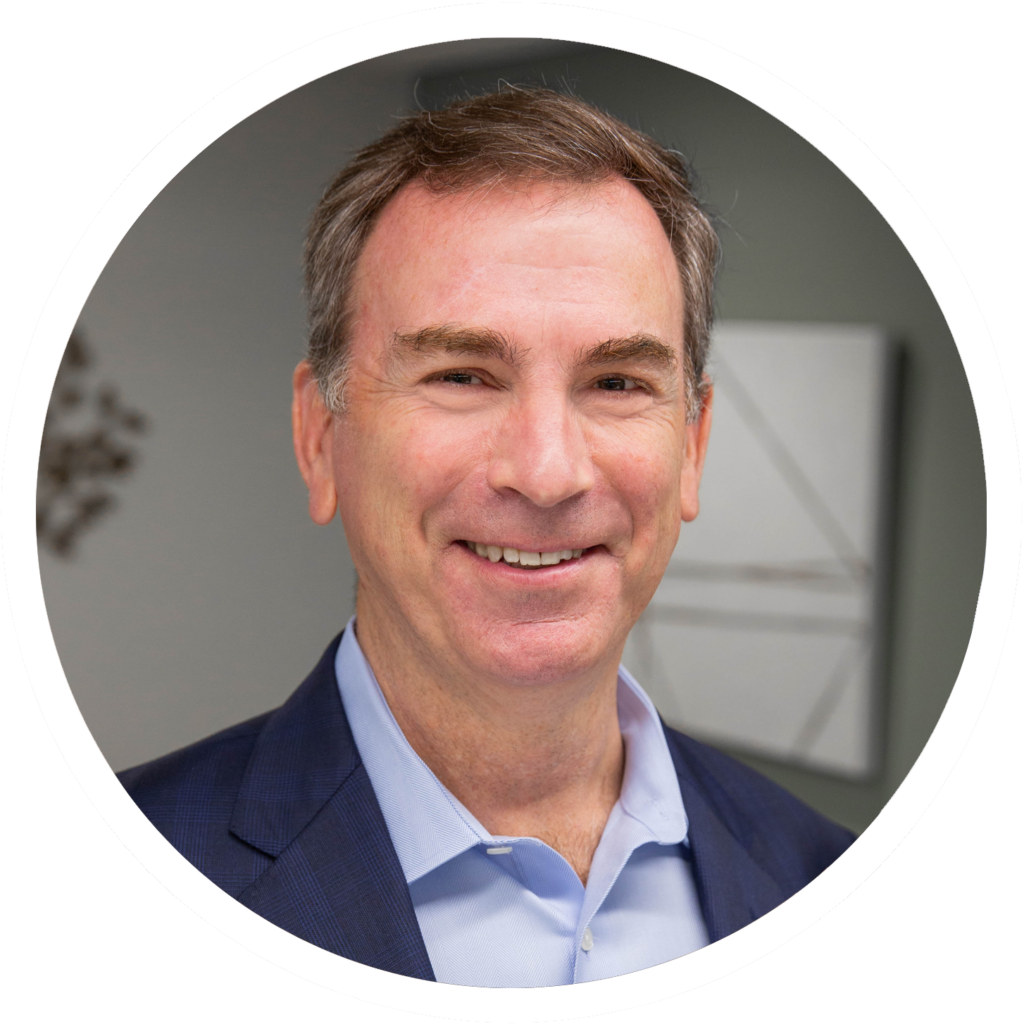
Scott Higgins | AIF ®, CFP®, CPFA®, NSSA®

Financial Advisor

Securities and Investment Advisory Services Offered Through M Holdings Securities, Inc., a Registered Broker/Dealer and Investment Adviser, Member FINRA/SIPC. Rose Street Advisors is independently owned and operated. #5653321

Interested in more?

Let's Talk Proactive HR

Steady Oversight and a Disciplined Process

Recent geopolitical developments have understandably raised questions about how global conflicts may affect financial markets. Periods like these can create uncertainty and volatility, and part of our responsibility as your advisors is to watch developments closely while keeping portfolios aligned with long-term objectives.

While headlines can feel unsettling, history shows that markets have navigated wars and geopolitical conflicts many times before. Keeping that historical perspective and remaining committed to a disciplined investment process helps guide decision-making during uncertain periods.

Stock Markets

• In the short term, markets often experience heightened volatility. Uncertainty around trade, energy markets and global supply chains can lead to sharp price swings

• Over the longer term, equity markets have historically recovered and moved higher. Wars can stimulate certain industries such as defense, manufacturing and infrastructure. Governments often implement policies designed to support economic stability and recovery.

Historical perspective and recovery timelines:

• During World War II, U.S. stocks dropped sharply following the attack on Attack on Pearl Harbor in December 1941. The decline was relatively brief; by mid-1942 markets had stabilized, and by 1943 equities were trending higher. The S&P 500 then moved into a multi-year expansion that continued through the post-war economic boom.

• During the Gulf War, the S&P 500 declined roughly 15–17% between July and October 1990 as oil prices spiked and uncertainty increased. Once the U.S.-led coalition began military operations in January 1991, markets recovered quickly. Within about six months of the market low, equities had regained their losses and continued advancing through the early 1990s expansion.

• During the Iraq War, markets had already been under pressure due to the bursting of the tech bubble and broader economic uncertainty. The S&P 500 bottomed in March 2003, almost exactly when the invasion began, and rose more than 25% over the following 12 months. That recovery marked the beginning of a broader bull market that lasted until 2007.

Bond Markets

• Government bonds are often viewed as a “flight to safety” during periods of conflict. When investors seek stability, demand for bonds can increase and yields may decline.

• At the same time, large government spending during wartime can introduce inflation pressures, which may influence interest rates and bond market dynamics.

Our Investment Management Philosophy

Even during uncertain times, our investment decisions remain guided by a disciplined philosophy focused on long-term outcomes rather than short-term headlines. Portfolios are constructed around each client’s goals, risk tolerance, and time horizon, using the information gathered through our discovery process and risk assessment tools.

Risk and return are related and building wealth over time requires staying invested and allowing capital to work through market cycles. Our approach emphasizes time in the market rather than attempting to time short-term movements. Instead of chasing individual “hot” investments or trying to predict market turning points, we focus on disciplined portfolio construction, broad diversification, and strategic allocation.

While geopolitical conflicts can create uncertainty in the short term, history reminds us that markets have faced many similar periods. It is important to remain disciplined in portfolio management, diversification and continue to stay aligned with your long-term financial goals.

Jeremy Heavey

AIF ® , NSSA ® | FINANCIAL ADVISOR

Scott Higgins

AIF ® , CFP ®, CPFA ®, NSSA ® | FINANCIAL ADVISOR

Securities and Investment Advisory Services offered through M Holdings Securities, Inc., a Registered Broker/Dealer and Investment Advisor, Member FINRA/SIPC. Rose Street Advisors, LLC is independently owned and operated. File #5303566

Interested in more?

Let's Talk Proactive HR
Rose Street Advisors

Your guide from hire to retire. Rose Street Advisors provides the strategy companies need to grow with confidence.

Firm
About UsOur TeamCommunity SupportTestimonials
Services
Employee BenefitsHR ConsultingLife InsuranceEmployer Retirement PlansWealth ManagementFiduciary Fitness
Contact

244 North Rose Street
Kalamazoo, MI 49007

5181 Plainfield Ave NE
Grand Rapids, MI 49525

269.552.3200
© 2026 Rose Street Advisors LLC. All rights reserved.
Securities and Investment Advisory Services Offered Through M Holdings Securities, Inc. A Registered Broker/Dealer and Investment Advisor, Member FINRA/SIPC. Rose Street Advisors is independently owned and operated. Please go to www.mfin.com/DisclosureStatement for further details regarding this relationship. Check the background of this Firm and/or investment professional on FINRA's BrokerCheck. For important information related to M Securities, refer to the M Securities' Client Relationship Summary (Form CRS) by navigating to mfin.com/m-securities. Registered Representatives are registered to conduct securities business and licensed to conduct insurance business in limited states. Response to, or contact with, residents of other states will only be made upon compliance with applicable licensing and registration requirements. The information in this website is for U.S. residents only and does not constitute an offer to sell, or a solicitation of an offer to purchase brokerage services to persons outside of the United States. This site is for information purposes and should not be construed as legal or tax advice and is not intended to replace the advice of a qualified attorney, financial or tax advisor or plan provider. CA Insurance License. File #5757992.1

We value your privacy

We use cookies to keep this site reliable, understand how it’s used, and — with your permission — to personalize content. You can accept all, reject non-essential, or choose which categories to allow.

Cookie Preferences