

Rose Street Advisors Rose Street Advisors
Firm
About UsOur TeamM Financial GroupEducation LibraryCommunity SupportTestimonials
Benefits
Employee Benefit ServicesBenefits FAQBenefits University Blog
HR Consulting
HR Consulting ServicesHR BlogRose Street Recruits
Life Insurance
Life Insurance ServicesLife Happens BlogLife Insurance Vlog
Employer Retirement Plans
Retirement ServicesFiduciary Fitness ProgramGuide to Retirement BlogRetirement Plans FAQ
Wealth Management
Wealth Management ServicesInvestED BlogWealth Management FAQs
Get In Touch
Firm
About UsOur TeamM Financial GroupEducation LibraryCommunity SupportTestimonials
Benefits
Employee Benefit ServicesBenefits FAQBenefits University Blog
HR Consulting
HR Consulting ServicesHR BlogRose Street Recruits
Life Insurance
Life Insurance ServicesLife Happens BlogLife Insurance Vlog
Employer Retirement Plans
Retirement ServicesFiduciary Fitness ProgramGuide to Retirement BlogRetirement Plans FAQ
Wealth Management
Wealth Management ServicesInvestED BlogWealth Management FAQs
Get In Touch

When most people think about financial planning, they picture investments, returns, or picking the “right” funds in their retirement plan.

But meaningful financial progress doesn’t start there.

It starts with you; your values, your goals, and what truly matters in your life.

Financial life planning is not about chasing performance. It’s about building a thoughtful, coordinated process that aligns every part of your financial life with the life you want to live.

  1. 1. Start With What Matters Most

Before any numbers or strategies come into play, take a step back and reflect:

  • What does a fulfilling life look like to me?
  • What are my top priorities. Now and in the future?
  • What does retirement mean beyond just “not working”?

For some, it’s freedom and flexibility. For others, it’s security, family, or the ability to give back.

Your financial plan should reflect these answers. Not someone else’s definition of success.

Clarity here drives every decision that follows.

  1. 2. Build Around Your Goals. Not Just Your Accounts

Once your priorities are clear, your financial strategy should begin to take shape. This is where a true planning process comes into focus.

It’s not just about your workplace retirement plan.   It’s about how all the pieces of your financial life work together, including:

  • Retirement income planning – How your savings turn into a reliable paycheck in retirement
  • Asset location – Placing investments in the right types of accounts (tax-deferred, Roth, taxable)
  • Tax planning – Being thoughtful about how and when income is recognized
  • Insurance planning – Protecting against risks that could derail your progress
  • Estate and legal planning – Ensuring your wishes are carried out and your family is supported

Each of these areas plays a role. When coordinated well, they create a more complete and resilient plan.

  1. 3. Focus on What You Can Control

A disciplined approach emphasizes the factors you can actually influence:

  • Saving consistently
  • Keeping costs low
  • Maintaining appropriate diversification
  • Staying invested through market cycles

Markets will move and sometimes unpredictably. A sound plan doesn’t try to outguess those movements. Instead, it’s built to endure them.

This is where process matters more than prediction.

  1. 4. Invest With Purpose

Your investment strategy should reflect your goals, time horizon, and comfort with risk. Not short-term headlines.

That means:

  • Avoiding emotional decisions during market volatility
  • Maintaining a diversified portfolio aligned with your plan
  • Understanding that risk and return are connected

The goal isn’t to eliminate risk, it’s to take the right amount of risk for your situation so you can stay on track.

  1. 5. Revisit and Adjust Over Time

Life changes and your plan should, too.

As your career evolves, your family grows, or retirement gets closer, your priorities may shift. Regular check-ins help ensure your strategy continues to align with what matters most.

Think of financial planning as an ongoing relationship with your future and not a one-time event.

A Real-Life Example

Consider Laura, a 42-year-old employee participating in her company’s retirement plan.

At first, Laura focused only on her 401(k), contributing enough to get the match and choosing a few funds she felt comfortable with. But she wasn’t sure if she was truly on track.

When she stepped back and went through a financial life planning process, a few important things became clear:

  • Her top priority wasn’t early retirement. It was flexibility in her late 50s to scale back work and spend more time with family.
  • She realized most of her savings were in pre-tax accounts, so she began adding Roth contributions to improve future tax flexibility.
  • She updated her beneficiaries and estate documents, something she hadn’t revisited in years.
  • She reviewed her insurance coverage to ensure her family would be protected if something unexpected happened.
  • And importantly, she began thinking about how her savings would translate into retirement income, not just an account balance.

Nothing about Laura’s situation required a drastic change. Instead, small, thoughtful adjustments, aligned with what mattered most to her, helped create a clearer, more confident path forward.

Bringing It All Together

Financial life planning is about connecting the dots.

It’s aligning your:

  • Goals
  • Investments
  • Income
  • Taxes
  • Protection strategies
  • Legacy wishes

…into one cohesive plan designed around you.

When each piece is working together, decisions become clearer and more intentional.

Final Thought

You don’t need to have everything figured out today.

Start with what matters most. Build a process around it. Stay consistent.

Over time, those thoughtful decisions can turn into something much more meaningful than just financial progress.  They can support a life that truly reflects who you are and what you value.
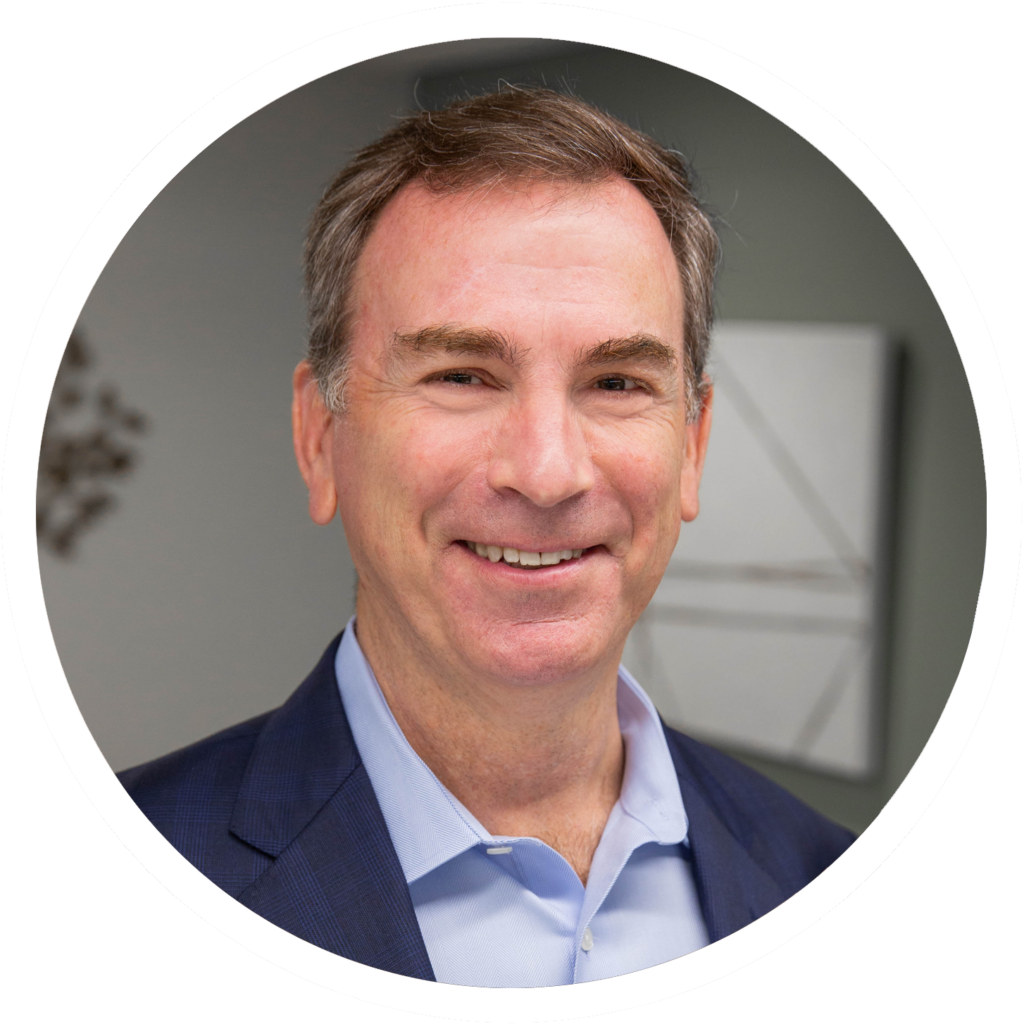
Scott Higgins | AIF ®, CFP®, CPFA®, NSSA®

Financial Advisor

Securities and Investment Advisory Services Offered Through M Holdings Securities, Inc., a Registered Broker/Dealer and Investment Adviser, Member FINRA/SIPC. Rose Street Advisors is independently owned and operated. #5653321

Interested in more?

Let's Talk Proactive HR
Managing money has never felt more complex. Rising costs, competing priorities, and the pressure to make smart financial decisions can leave anyone feeling uncertain. If you’ve ever questioned whether you’re budgeting correctly, saving enough, or choosing the right investments, you’re in good company. That’s why financial wellness matters so much in 2026. It’s not about mastering every financial concept. It’s about having the knowledge, tools, and confidence to make steady, informed decisions, both inside and outside your retirement plan.

Financial Stress Reaches Far Beyond Your Wallet

Money worries don’t stay neatly tucked away at home. They often show up as: • Difficulty staying focused at work • Anxiety about surprise expenses • Doubt about long‑term financial security Strengthening your financial wellness starts with the fundamentals: understanding your cash flow, building savings habits, and using available resources to reduce stress and improve stability.

Your Retirement Plan Is Just One Piece of the Puzzle

Your workplace retirement plan is a powerful tool for long‑term savings, but it’s not the whole story. Many people still feel unsure about how much to contribute, how to choose investments, or whether pre‑tax or Roth contributions make sense for them.   Financial wellness education helps you:   • Understand how your retirement plan fits into your broader financial life • Make confident decisions about contributions and investment options • See retirement savings as part of a larger strategy, not your only strategy   When you understand your plan, it becomes a foundation you can build on, not a source of confusion.

Budgeting and Saving: The Core of Financial Wellness

Before investing beyond your retirement plan, strong budgeting and saving habits create the stability you need. Even small steps can make a meaningful difference: • Tracking where your money goes • Building an emergency fund • Automating savings when possible • Setting realistic, achievable goals Financial wellness is about progress, not perfection. Every step you take strengthens your financial foundation.

Investing Beyond Your Workplace Plan

Once your budget and emergency savings are in place, exploring additional investment options can help you grow wealth over time. This might include: • Individual retirement accounts (Traditional IRA or Roth IRA) • Brokerage accounts for long‑term investing • High‑yield savings accounts for short‑term goals • Health savings accounts (HSAs), if available Understanding these tools empowers you to build a financial strategy that supports both your present and future needs.

You Don’t Have to Navigate This Alone

Many employers now offer financial education, tools, and resources to help employees make sense of budgeting, saving, and investing. These programs aren’t about judging where you are, they’re about helping you move forward with clarity and confidence. Using these resources can help you: • Ask better questions • Make informed financial decisions • Align your choices with your personal goals

Looking Ahead

Financial wellness isn’t about quick fixes or perfect decisions. It’s about building habits, understanding your options, and feeling more confident about your financial future. In 2026 and beyond, small steps, whether improving your budget, increasing savings, or exploring investments outside your retirement plan, can reduce stress and put you on a stronger path for tomorrow.

Scott Higgins | AIF ®, CFP®, CPFA®, NSSA®

Financial Advisor

Securities and Investment Advisory Services Offered Through M Holdings Securities, Inc., a Registered Broker/Dealer and Investment Adviser, Member FINRA/SIPC. Rose Street Advisors is independently owned and operated. #5344919

Interested in more?

Let's Talk Proactive HR

Have you ever noticed how something as simple as toothpaste can tell you a lot about your life?

This morning, I walked into the bathroom and, to my surprise, my toothpaste was exactly where it belonged. Right there. In the drawer. Waiting for me. If you have teenagers in your house, you know that’s not always how it works.

In our home, Kim and I joke that some of our things behave a lot like our old outdoor cat, Oliver. He came and went as he pleased. Some days he’d stick around. Other days, he’d disappear without a trace. That’s pretty much how our stuff operates too. Toothpaste, conditioner, chargers, hoodies… here today, gone tomorrow. You get the idea.

Kim said something this morning that stuck with me. “As frustrating as it is, when the kids are gone, we might actually miss this.”

I told her when that day comes, I’ll gladly take her things and hide them around the house just to keep her on her toes. #winning

But there’s something deeper in that.

We don’t always realize what we’ll miss until it’s gone. And that shows up clearly in retirement.

Most people spend decades focused on the numbers. How much have I saved? Will it be enough? When can I stop working? Important questions, and we help answer them every day. But there’s another question that matters just as much.

What will your days actually feel like when the house is quieter, the calendar is clearer, and everything is exactly where you left it?

I’ve seen it often. People are financially ready, but not fully prepared for the shift. They expected freedom. They got it. What they didn’t expect was the loss of rhythm, noise, responsibility, and even the small frustrations that once filled their days.

Retirement isn’t just a financial transition. It’s a life transition.

The people who navigate it best have taken time to picture it ahead of time. Not just the big trips, but the ordinary Tuesdays.

At Rose Street Advisors, that’s a big part of what we do. Yes, we build income strategies and think through taxes and risk. But we also help clients get clear on the life behind the plan.

What does a great day look like? Who are you spending time with? What are you moving toward? Where does purpose come from when work no longer defines your schedule?

Because retirement without a clear picture can feel a lot like that outdoor cat. A little unpredictable. A little disorienting.

But when you define it, something changes.

You stop reacting… and start living with intention.

So here’s a simple place to start. Picture a random Tuesday in retirement. Not a vacation. Just a normal day.

Where are you?
What are you doing?
Who are you with?

Then ask yourself, if nothing changed between now and then, would that day feel fulfilling?

If not, that’s not a problem. It’s an opportunity. An opportunity to start shaping that future now.

Because the goal isn’t just to have enough.

It’s to build a life you’re excited to live.

And if more people approached retirement this way, I think we’d see fewer people drifting and more people fully stepping into what could be one of the most meaningful seasons of their lives.

And maybe, just maybe, keeping a little of that “outdoor cat” energy along the way.

Jeremy Heavey

AIF ® , NSSA ® | FINANCIAL ADVISOR

Securities and Investment Advisory Services offered through M Holdings Securities, Inc., a Registered Broker/Dealer and Investment Advisor, Member FINRA/SIPC. Rose Street Advisors, LLC is independently owned and operated. File #5321941

Interested in more?

Let's Talk Proactive HR

Retirement is one of life’s biggest transitions. Your paycheck may stop, but your expenses don’t. And your time, priorities, and goals often shift in meaningful ways. If you’ve never created a formal budget before, you’re not alone. Many people haven’t needed one during their working years.

The good news? It’s never too late to put a simple, flexible plan in place that helps you feel confident about your spending and your future.

Here are some practical tips to help you build, and stick to, a retirement budget that works for you.

1. Start with What You Spend Today

Before building a retirement budget, take a look at your current spending. This gives you a realistic baseline.

Focus on:

• Housing (mortgage/rent, taxes, insurance)

• Food and utilities

• Transportation

• Insurance and healthcare

• Discretionary spending (travel, hobbies, dining)

From there, adjust for what will change in retirement as some costs may go down (commuting, work expenses), while others may increase (healthcare, travel, leisure).

2. Separate “Needs” from “Wants”

A helpful way to simplify budgeting is to divide expenses into two categories:

• Needs: Essential expenses you must cover (housing, food, insurance, basic healthcare)

• Wants: Lifestyle choices (travel, entertainment, gifts, dining out)

This approach gives you flexibility. In years when markets are volatile or unexpected expenses arise, you can adjust discretionary spending without disrupting your core lifestyle.

3. Plan for Healthcare… More Than You Expect

Healthcare is often one of the most underestimated retirement expenses.

Be sure to account for:

• Medicare premiums and supplemental coverage

• Out-of-pocket costs (deductibles, prescriptions, dental/vision)

• Potential long-term care needs

Building a cushion here can help avoid surprises later.

4. Build in a “Buffer Zone”

Life rarely follows a perfect plan. Home repairs, helping family, or simply wanting to take an extra trip can all impact your budget.

A good rule of thumb is to include a buffer (5–10%) in your annual spending plan. This creates breathing room and reduces the stress of unexpected costs.

5. Align Your Budget with Your Income Strategy

Your retirement income may come from multiple sources:

• Workplace retirement plans (401(k), 403(b))

• Social Security

• IRAs or taxable accounts

The key is making sure your withdrawal strategy aligns with your spending needs so your money lasts while still supporting the lifestyle you want.

This is where thoughtful planning really matters; balancing reliable income with flexibility for the years ahead.

6. Revisit and Adjust Each Year

Your retirement budget isn’t a one-time exercise.  It’s a living plan.

Each year, take a few minutes to review:

• Changes in spending

• Market performance

• Income sources

• Life goals or priorities

Small adjustments over time can make a big difference in keeping your plan on track.

Final Thoughts

Creating a retirement budget isn’t about restricting your lifestyle.  It’s about giving yourself clarity and financial confidence. When you know where your money is going and how it supports your goals, it becomes much easier to enjoy retirement without second-guessing every decision.

If you haven’t created a budget yet, that’s okay. Starting now, even with a simple outline, is a powerful step toward making the most of the years ahead.

Scott Higgins | AIF ®, CFP®, CPFA®, NSSA®

Financial Advisor

This material and the opinions voiced are for general information only and are not intended to provide specific advice or recommendations for any individual. To determine waht is appropriate for you, please contact me directly or consult another qualified professional

Securities and Investment Advisory Services Offered Through M Holdings Securities, Inc. A Registered Broker/Dealer and Investment Advisor, Member FINRA/SIPC. Rose Street Advisors is independently owned and operated. #5341120

Interested in more?

Let's Talk Proactive HR
Rose Street Advisors

Your guide from hire to retire. Rose Street Advisors provides the strategy companies need to grow with confidence.

Firm
About UsOur TeamCommunity SupportTestimonials
Services
Employee BenefitsHR ConsultingLife InsuranceEmployer Retirement PlansWealth ManagementFiduciary Fitness
Contact

244 North Rose Street
Kalamazoo, MI 49007

5181 Plainfield Ave NE
Grand Rapids, MI 49525

269.552.3200
© 2026 Rose Street Advisors LLC. All rights reserved.
Securities and Investment Advisory Services Offered Through M Holdings Securities, Inc. A Registered Broker/Dealer and Investment Advisor, Member FINRA/SIPC. Rose Street Advisors is independently owned and operated. Please go to www.mfin.com/DisclosureStatement for further details regarding this relationship. Check the background of this Firm and/or investment professional on FINRA's BrokerCheck. For important information related to M Securities, refer to the M Securities' Client Relationship Summary (Form CRS) by navigating to mfin.com/m-securities. Registered Representatives are registered to conduct securities business and licensed to conduct insurance business in limited states. Response to, or contact with, residents of other states will only be made upon compliance with applicable licensing and registration requirements. The information in this website is for U.S. residents only and does not constitute an offer to sell, or a solicitation of an offer to purchase brokerage services to persons outside of the United States. This site is for information purposes and should not be construed as legal or tax advice and is not intended to replace the advice of a qualified attorney, financial or tax advisor or plan provider. CA Insurance License. File #5757992.1

We value your privacy

We use cookies to keep this site reliable, understand how it’s used, and — with your permission — to personalize content. You can accept all, reject non-essential, or choose which categories to allow.

Cookie Preferences